Gaggia Classic Pro vs Rancilio Silvia
These are the two most iconic entry-to-intermediate prosumer machines, separated by $300. The Rancilio Silvia at $749 has more powerful steam output and a stronger long-term hardware reputation; the Gaggia Classic Pro at $449 has a larger modding community, a lower entry price, and ships with a correctly set 9-bar OPV on the Evo variant. Most beginners should start with the Gaggia. Experienced buyers who prioritize steam power and build legacy should choose the Silvia.
Spec face-off
Bars scaled to the higher value. Coloured = wins that spec.
Full specifications
Strengths & weaknesses
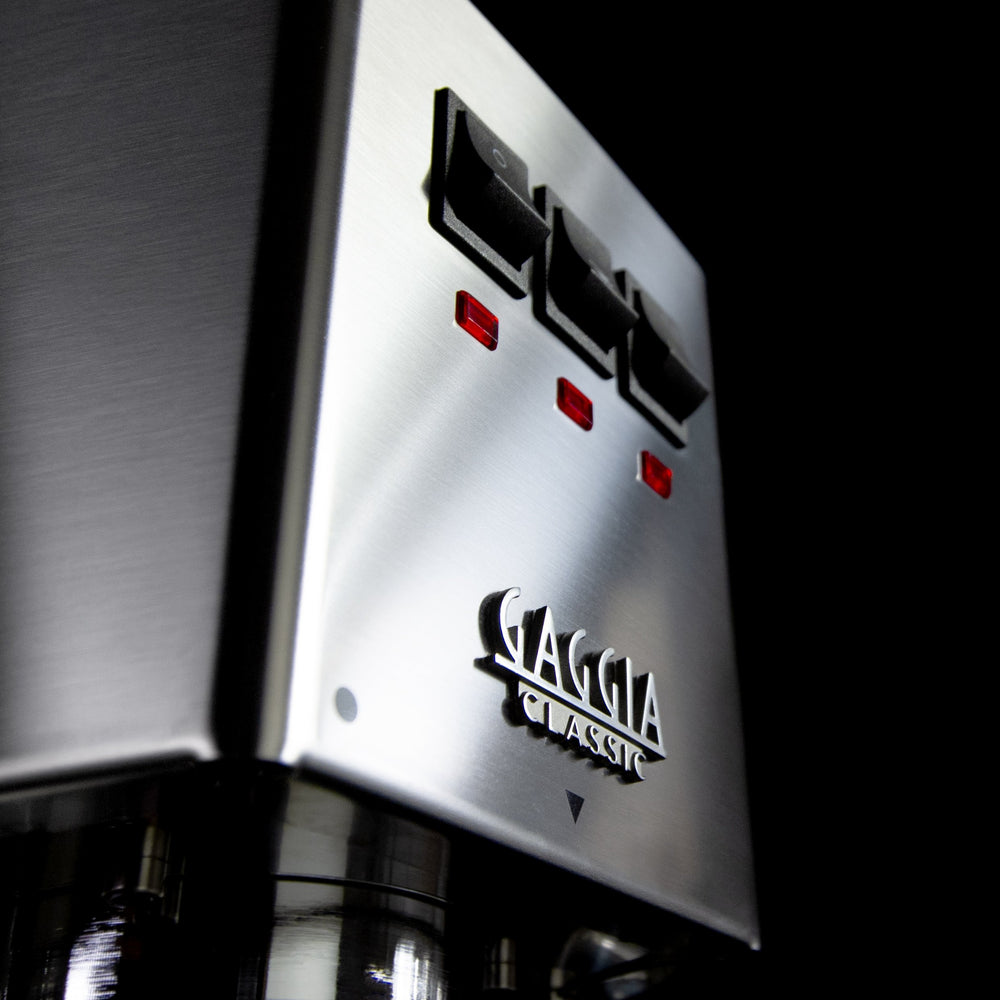
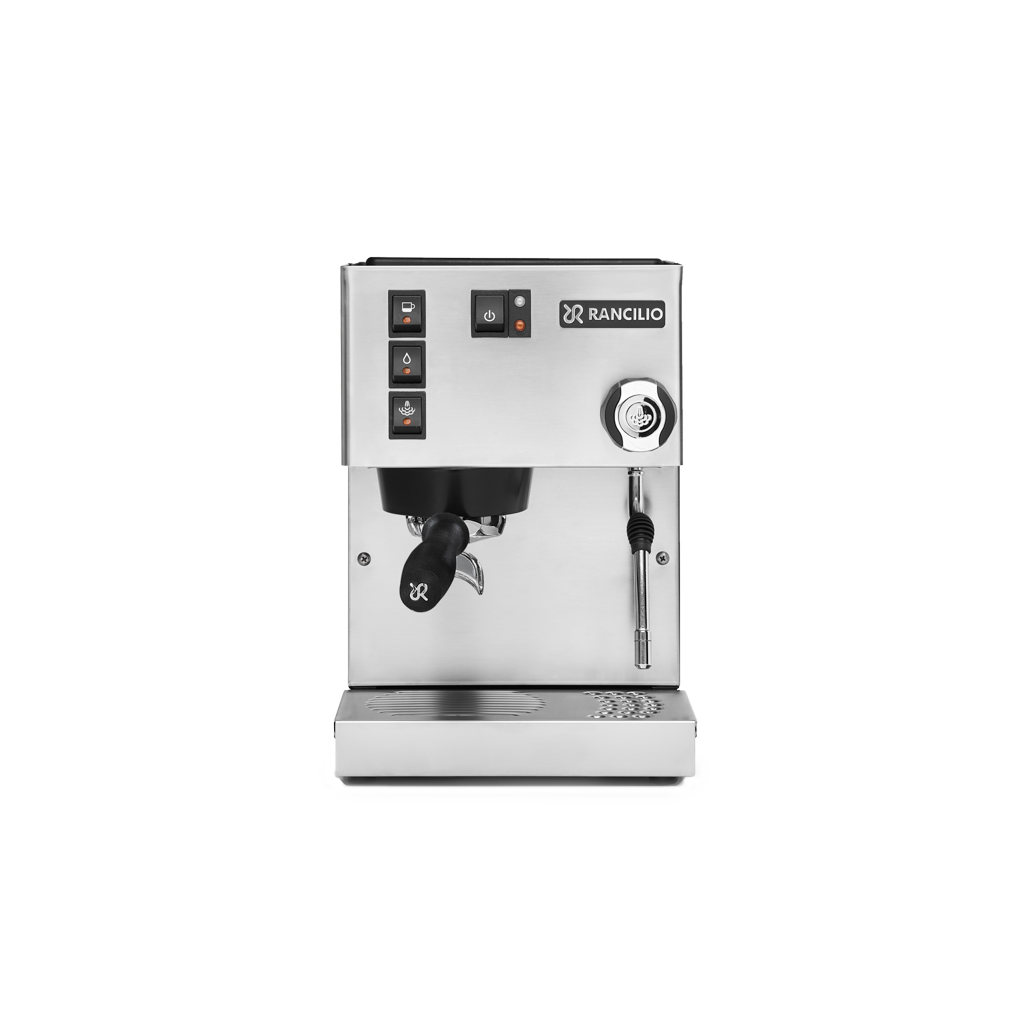
Full comparison
The Rancilio Silvia costs $300 more than the Gaggia Classic Pro — $749 versus $449. Both are single-boiler machines with commercial-grade 58mm group heads, stainless steel construction, manual steam wands capable of real microfoam, and no PID temperature control out of the box. They share the same core limitation: you cannot brew and steam simultaneously, and both require temperature management technique before a PID retrofit is added. At this level of similarity, the differences that separate them are more about character and priorities than fundamentally different capabilities.
The Silvia's steam wand power is the clearest functional advantage it holds. Rancilio's brass boiler and commercial-derived internals deliver steam output reviewers consistently rate as among the best in the sub-$800 class — producing true microfoam on par with machines costing significantly more. The Gaggia Classic Pro's steam is capable but measurably less powerful, which matters if latte art quality and steaming speed are priorities. The Silvia also has a 3-way solenoid valve that vents pressure after extraction, keeping the puck dry and cleanup quicker than machines without this feature.
The Gaggia's advantages are price, community, and the Evo variant's correctly set 9-bar OPV. Older Classic Pro units ship at 15 bar and require the OPV adjustment before extraction pressure is correct — a known issue in the community. The Evo Pro addresses this out of the box. The Gaggia modding ecosystem is extensive and well-documented: PID kits, OPV springs, bottomless portafilters, and detailed guides cover virtually every scenario. The Silvia has its own mod community, but the Gaggia's is larger and more active.
Both machines can last 10-20 years with basic maintenance and both accept the same 58mm accessories. The deciding factor is steam power and build heritage: if you primarily make milk drinks and want the best manual wand experience under $800, the Silvia is the better tool. If you want the lower entry point and a more modifiable platform with a correction already applied on the current Evo variant, the Gaggia Classic Pro is the smarter starting point.