Breville Barista Touch vs Gaggia Classic Pro
Buy the Gaggia Classic Pro ($449) if you want to genuinely learn espresso craft, are willing to pair it with a quality grinder, and value a serviceable machine with a 10-20 year lifespan. Buy the Barista Touch ($1,199) if you want a complete grind-to-cup setup with automatic milk texturing and a low learning curve, and you would rather spend more upfront than invest time in learning manual technique.
Spec face-off
Bars scaled to the higher value. Coloured = wins that spec.
Full specifications
Strengths & weaknesses
Full comparison
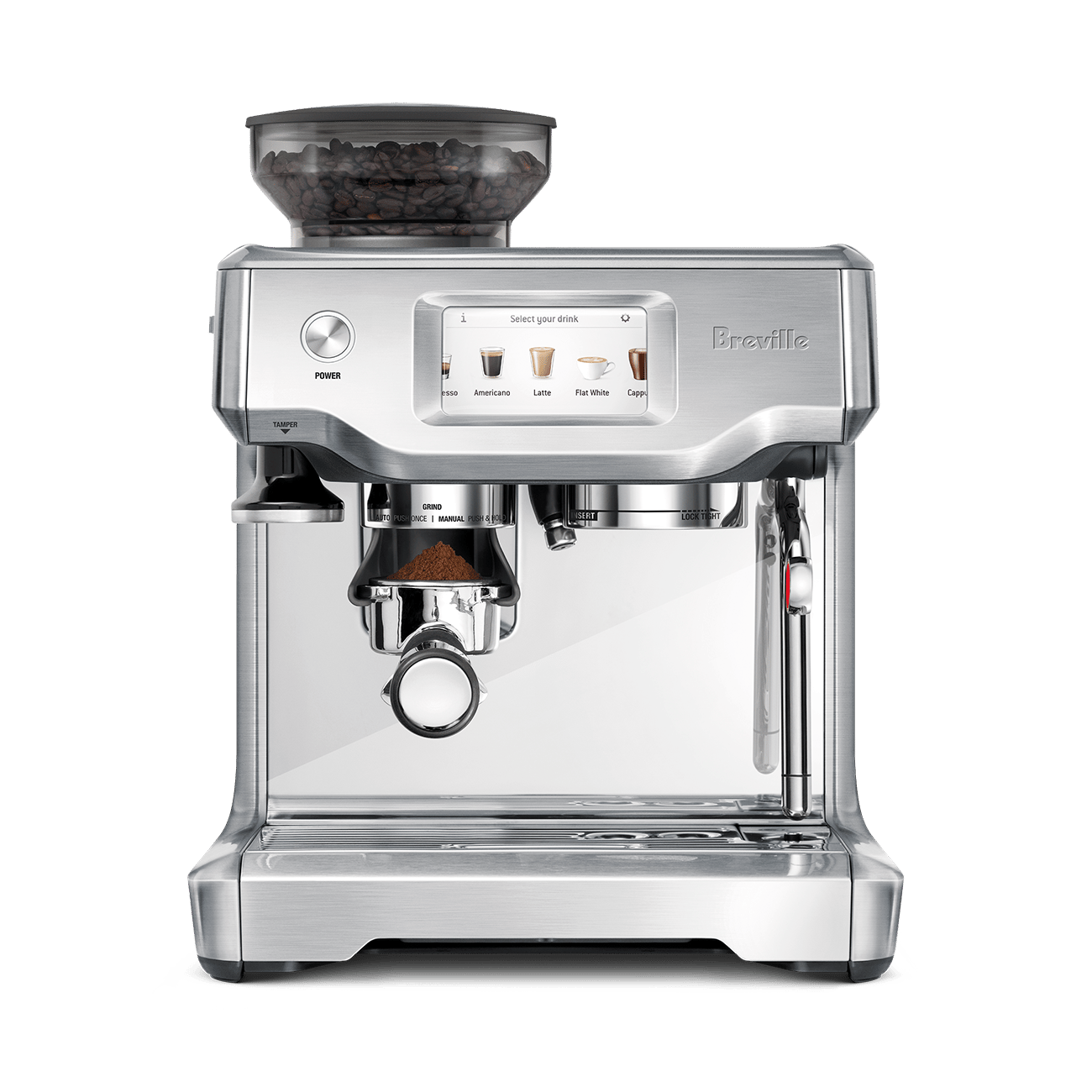
The $750 price difference between these machines does not tell the full story. The Gaggia Classic Pro at $449 requires a separate grinder — budget at least $150-200 for a capable burr grinder — bringing the real setup cost to $600-$650. The Barista Touch at $1,199 includes everything: grinder, automatic milk system, PID, and touchscreen. The all-in cost gap narrows to roughly $500-600, which is meaningful but no longer dramatic.
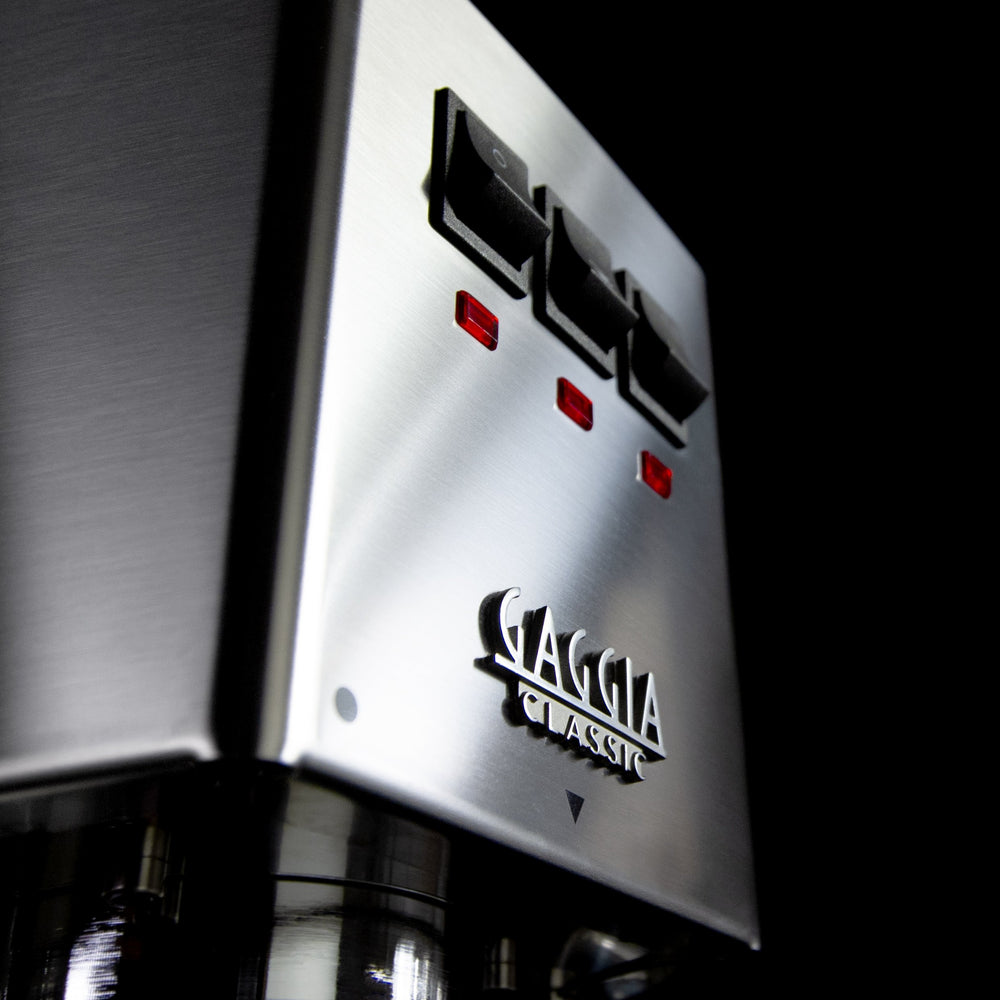
The Gaggia Classic Pro's strengths are long-term, not immediate. Its commercial-standard 58mm group head is compatible with professional accessories, its stainless steel and brass construction is entirely serviceable with widely available parts, and a well-maintained unit realistically lasts 10-20 years. It ships with a professional-style steam wand capable of real microfoam for latte art — not an automated frother. For users who want to develop genuine barista skills, the Gaggia rewards that investment with espresso quality that competes with machines costing two to three times more.
The Touch is the inverse trade-off: lower ceiling, lower floor, less friction. Its automatic steam wand with programmable temperature and foam density produces consistent microfoam without technique. Its 30-setting grinder and PID temperature control deliver reliable shots with minimal adjustment. Its touchscreen stores 8 personalized profiles. Pre-infusion is fixed at 10 seconds, grinder integration introduces a single point of failure, and build longevity is estimated at 4-6 years — not 15.
The deciding factor is what you want from espresso. If you want a craft to develop over years, buy the Gaggia and a grinder. If you want reliable daily results with minimum effort, buy the Touch. Neither is the wrong answer for its respective buyer.