Breville Barista Express vs Gaggia Classic Pro
The Gaggia Classic Pro at $449 without a grinder is the right machine for a serious learner who wants commercial-grade hardware and long-term repairability. The Barista Express at $699 is the right choice if you want a complete setup without buying a separate grinder. Add a $150-200 entry grinder to the Gaggia and both setups cost roughly the same with very different trade-offs.
Spec face-off
Bars scaled to the higher value. Coloured = wins that spec.
Full specifications
Strengths & weaknesses
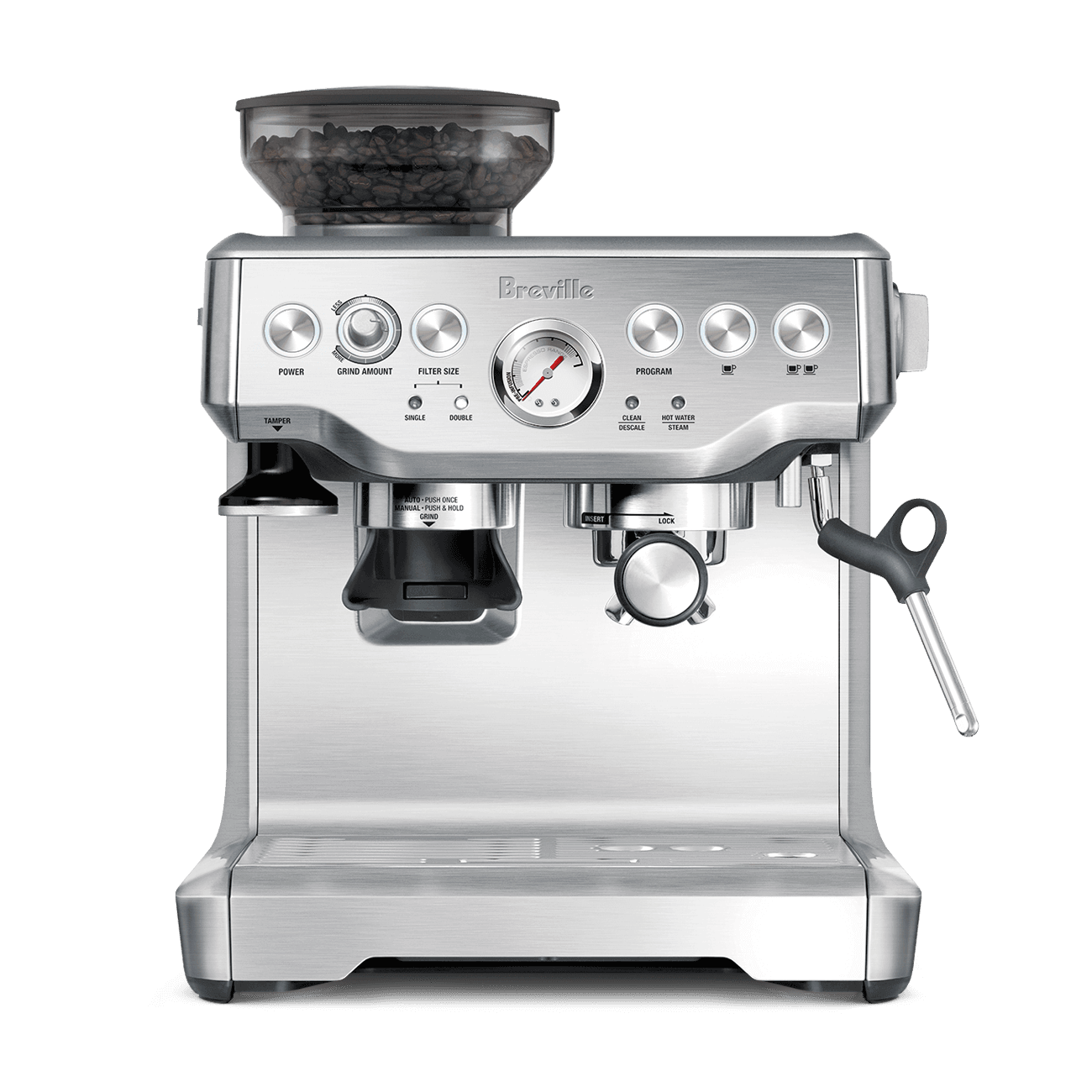
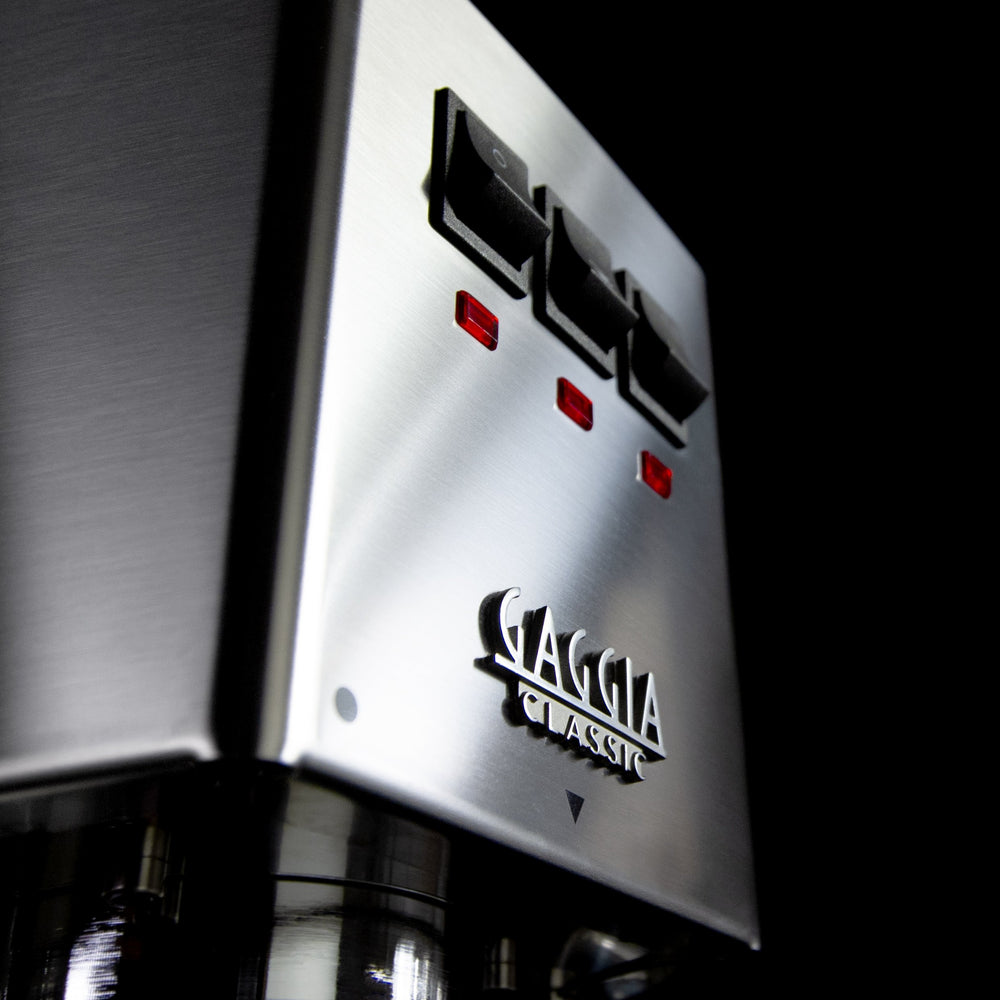
Full comparison
The price comparison is trickier than it looks. The Gaggia Classic Pro is $449, but it ships without a grinder. Add a capable entry-level grinder for $150-200 and the total setup reaches $600-650, close to the $699 Barista Express. At that real-world cost comparison, the machines are genuine alternatives rather than a budget-vs-premium choice.
The Gaggia's defining advantages are build quality and longevity. Its commercial-standard 58mm group head accepts professional accessories and baskets. The all-stainless steel chassis with widely available parts gives it a realistic 10-20 year lifespan with basic maintenance. The Barista Express is estimated at 5-7 years under daily use. For someone who plans to stay in espresso long-term, the Gaggia's durability changes the lifetime cost calculation significantly.
The Barista Express has real advantages in approachability. Its PID temperature control holds brewing temperature within 1 degree F. The Gaggia Classic Pro has no PID out of the box, requiring either 'temperature surfing' technique or an aftermarket PID mod to achieve consistent brew temperature. The Express's dual basket system (pressurized and non-pressurized) lets beginners start easy. The Gaggia is less forgiving from day one.
The Gaggia has a steeper learning curve, requires a separate grinder, and needs more technique to get consistent results. The Barista Express is more approachable and complete out of the box. Choose the Gaggia if you value long-term repairability and commercial-grade hardware. Choose the Express if you want convenience and a faster path to good espresso.