Breville Barista Pro vs Gaggia Classic Pro
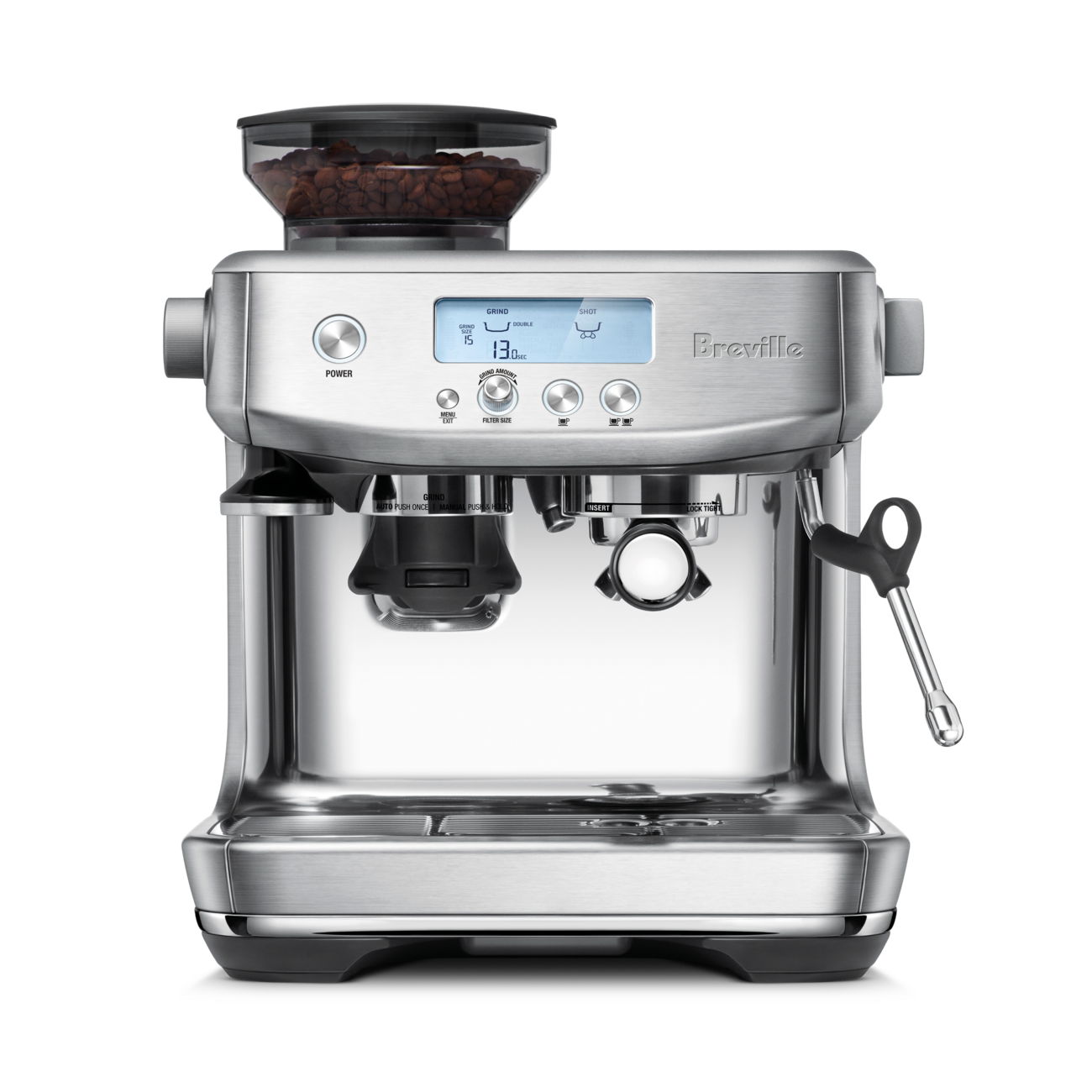
The Gaggia Classic Pro at $449 and the Barista Pro at $899 represent two different philosophies. The Classic Pro is a bare-bones, commercial-grade machine built to last 10-20 years with no grinder included. The Barista Pro is a feature-rich all-in-one with a built-in grinder, shot timer, and faster workflow, rated for 5-7 years. If you already own a grinder and want a machine to learn on that will last, the Classic Pro is outstanding value. If you want everything in one box, the Barista Pro.
Spec face-off
Bars scaled to the higher value. Coloured = wins that spec.
Full specifications
Strengths & weaknesses
Full comparison
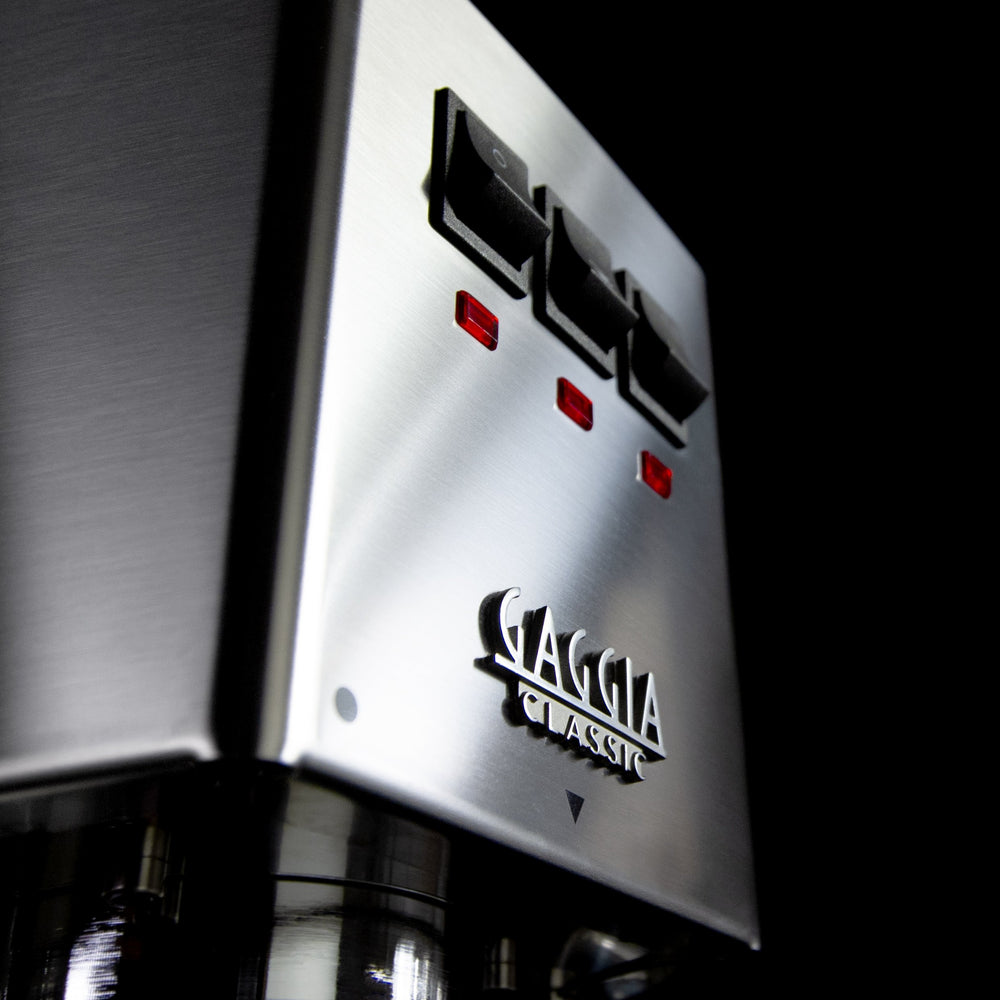
The Gaggia Classic Pro costs $449 and includes no grinder. Its commercial-grade 58mm group head, all-metal stainless construction, and 9-bar OPV (set correctly on the Evo version) give it a hardware profile that competes with machines costing twice as much. Expected lifespan is 10-20 years. It's a machine with a large, active modification community — PID kits, OPV springs, shower screens — that can take it significantly further than stock.
The Barista Pro costs $899 all-in, with a built-in 30-setting grinder, 3-second ThermoJet heat-up, LCD shot timer, and a gentler learning curve. Its 54mm portafilter is a step down from the 58mm commercial standard. Appliance-grade construction means a 5-7 year realistic lifespan before repairs become common.
The real math: a Classic Pro plus a capable standalone grinder (Baratza Encore or similar) runs $449 plus $150-250, totaling $600-700. For $200-300 less than the Barista Pro, you get better build quality, a larger portafilter, and a machine that will still be running in 15 years. The tradeoff is higher technique demands and no shot timer feedback out of the box.
The Classic Pro has a genuinely high learning curve. No PID stock means temperature surfing is needed for shot consistency until you add a PID mod. The Barista Pro is more forgiving from day one.
Choose the Classic Pro if you want long-term build quality, are comfortable with a steeper learning curve, and either own a grinder or can budget one separately. Choose the Barista Pro if you want a single-unit purchase and value speed and feedback over longevity.