Fellow Opus Conical Burr Grinder vs Timemore Chestnut C3 ESP
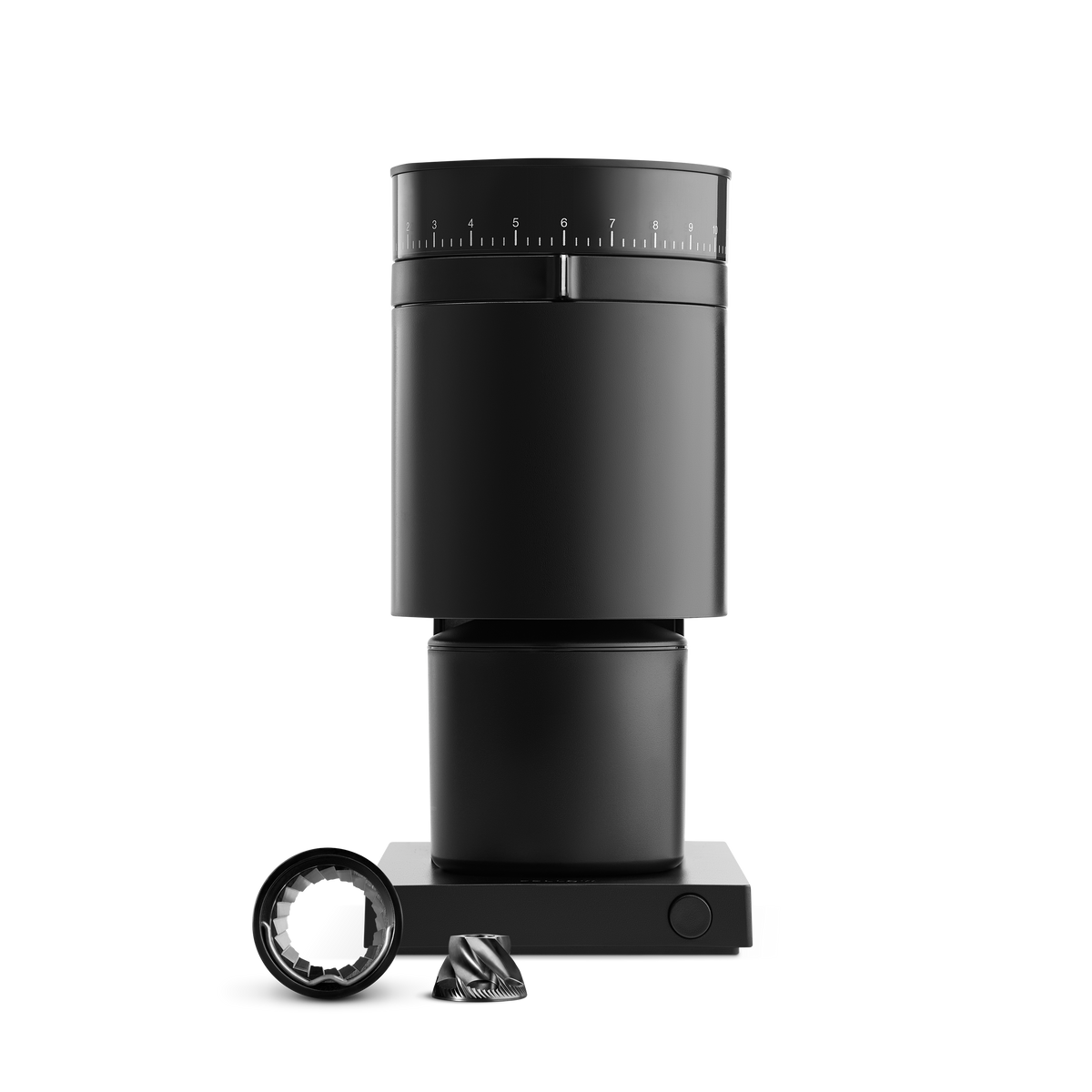
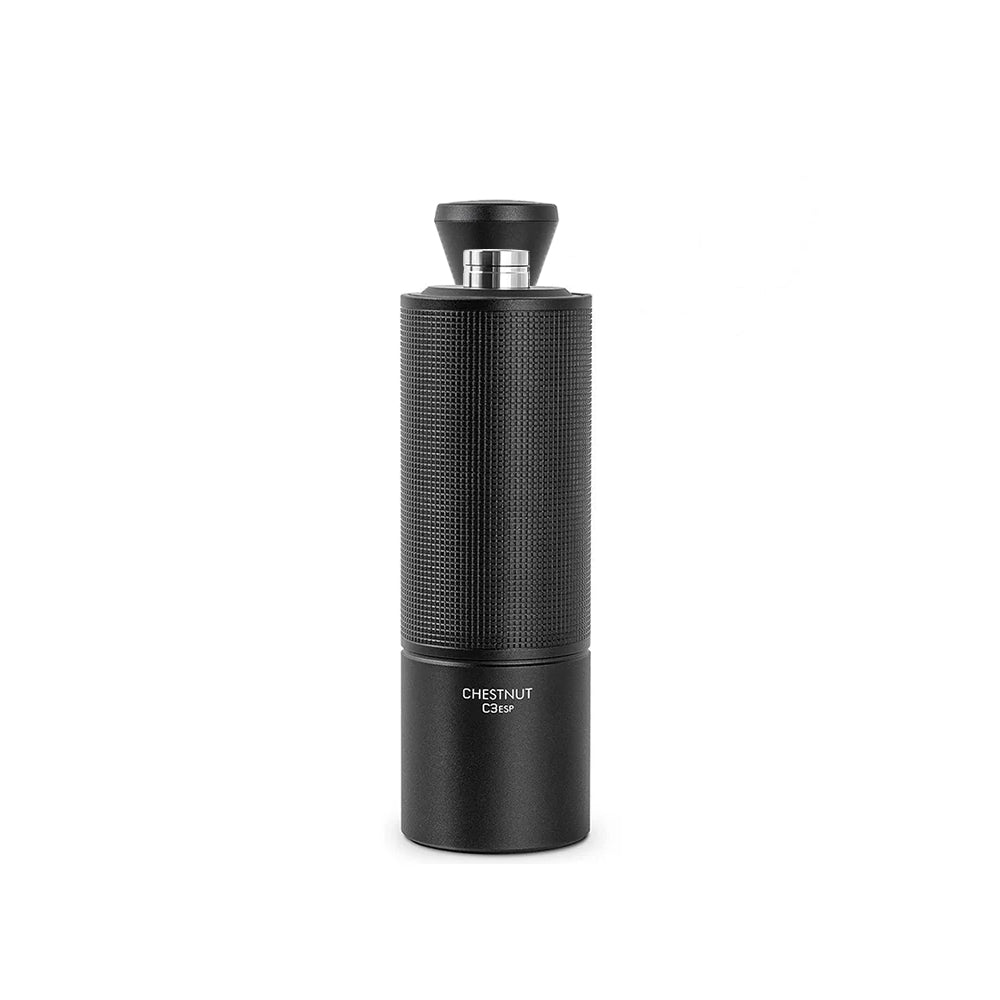
Both are entry grinders that can reach espresso, but one's electric and one's manual. The Fellow Opus at $195 is an electric single-dose grinder — push-button, quiet, design-forward, and a capable filter all-rounder with fiddly espresso. The Timemore C3 ESP at $72 is a manual grinder that's a third of the price and genuinely espresso-capable by hand. Choose the Opus for electric convenience and versatility; choose the C3 ESP for value and portability.
Spec face-off
Bars scaled to the higher value. Coloured = wins that spec.
Full specifications
Strengths & weaknesses
Full comparison
The Opus is the convenience option. It grinds at the push of a button, single-doses bean-by-bean with included catch cups, runs notably quiet for its class, and looks excellent on a counter. It handles filter, French press, and cold brew well, and reaches espresso-fine grinds via a hidden inner micro-adjustment ring — though that espresso range is fiddly (settings 1-2 plus the inner ring), and it shows static and some clumping at fine settings.
The C3 ESP is the value-and-portability option. Its 38mm S2C burr at ~23 microns per click reaches genuine espresso for about $72, in a pocketable all-metal body that's ideal for travel and manual espresso makers. The cost is effort and capacity: 40-50 seconds of cranking for a double, a 25g chamber, and catch-cup adjustment with no numbered dial, so dialing espresso is coarser and slower than on the Opus.
The decision is mostly electric-versus-manual plus budget. The Opus costs nearly three times more but saves you the hand-grinding, handles larger filter doses easily, and is the nicer daily-driver on a counter. The C3 ESP gets you to espresso for the least money and goes in a backpack, if you don't mind the crank.
Buy the Fellow Opus ($195) if you want electric convenience, quietness, and design with all-round filter ability and occasional espresso. Buy the Timemore C3 ESP ($72) if you want espresso capability cheaply, value portability, or only brew a cup or two at a time.