Baratza Encore ESP vs Fellow Opus Conical Burr Grinder
At nearly the same price ($199 Encore ESP vs $195 Opus) this is the defining entry all-purpose grinder battle. The Encore ESP is easier to dial in for espresso and backed by Baratza's parts and service. The Opus wins on single-dosing, quieter operation, and design. Pick the ESP for espresso focus, the Opus for filter-first flexibility and looks.
Spec face-off
Bars scaled to the higher value. Coloured = wins that spec.
Full specifications
Strengths & weaknesses
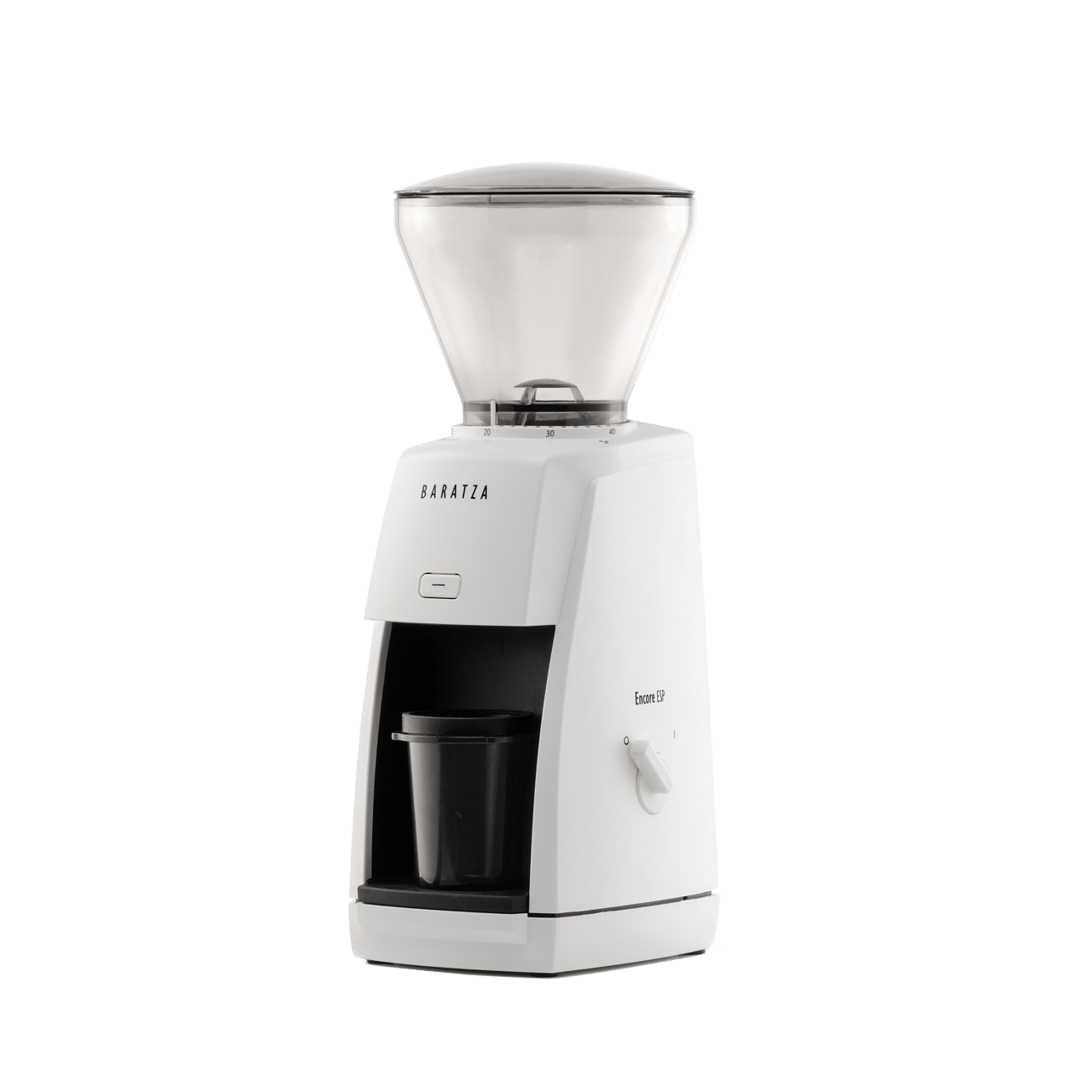
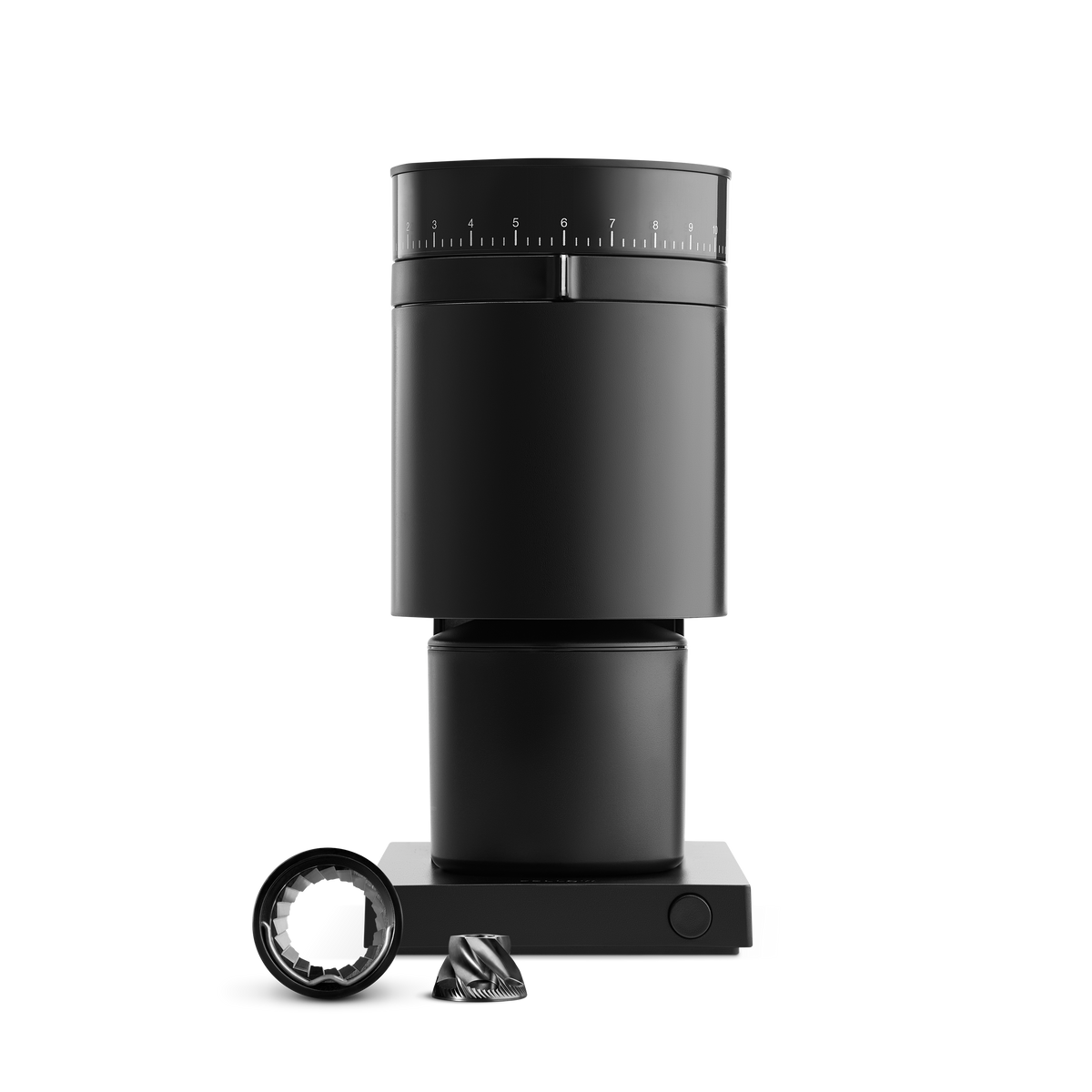
Full comparison
The Baratza Encore ESP ($199) and Fellow Opus ($195) are priced within a few dollars of each other and chase the same buyer: someone who wants one grinder that handles both filter and espresso without spending $300+. This is the most cross-shopped pairing in the entry category, and the two machines split the wins cleanly.
The Encore ESP is the Encore re-geared for espresso, with a finer adjustment range at the espresso end and easier, more legible dial-in. Crucially, it carries Baratza's biggest advantage: comprehensive parts availability and a repair culture that means the grinder can be serviced and kept alive for years rather than discarded. For espresso-leaning beginners, the ESP is the more forgiving grinder to learn on.
The Opus counters with workflow and design. It's a true single-dose grinder, so you weigh in beans per shot rather than feeding a hopper, which reduces waste and stale-grounds carryover. It runs quieter than the ESP, looks the part on a modern counter, and reaches espresso-fine via a hidden inner ring. The catch is that its espresso dial-in is more convoluted than the ESP's, and it shows more static and clumping at fine settings.
Buy the Encore ESP if espresso is your priority and you value easy dial-in and long-term repairability. Buy the Opus if you want single-dosing, lower noise, and a better-looking grinder, and you brew filter as often as espresso. Both are genuinely good at this price: there's no wrong answer, just a difference in what you optimize for.