DF DF64 Gen 2 vs Timemore Chestnut C3 ESP

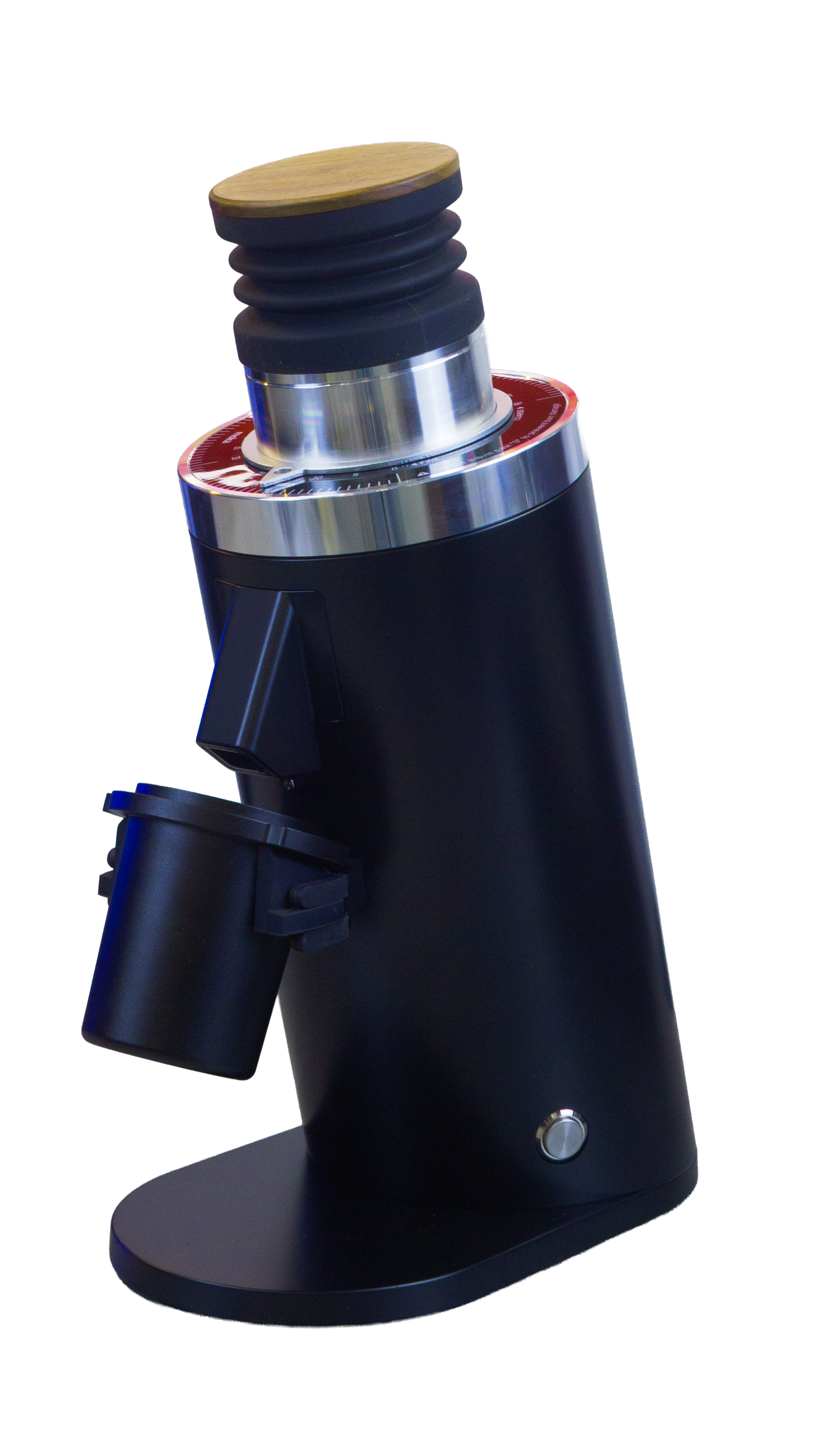
DF DF64 Gen 2
DF
DF64 Gen 2
$399 Mid-Range
Check price
vs
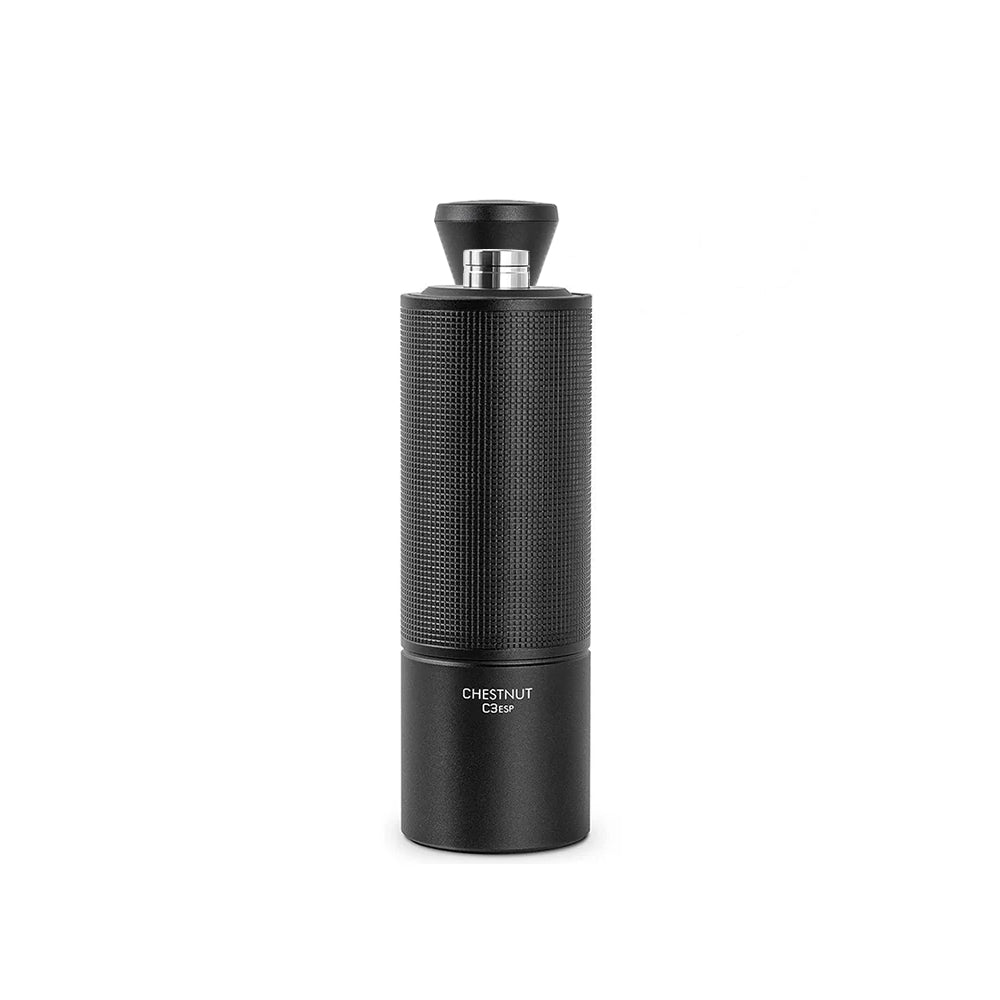
Timemore Chestnut C3 ESP
Timemore
Chestnut C3 ESP
$72 Entry
Head-to-head scoreboard
DF64 Gen 2 · 2 0 TIES 2 · Chestnut C3 ESP
The verdict

A $399 single-dose electric espresso grinder versus a $72 manual one. The DF64 Gen 2 has 64mm flat burrs and SSP upgradeability for near-professional quality. The Timemore C3 ESP reaches espresso by hand for far less. Choose the DF64 for grind quality and an upgrade path; choose the C3 ESP for budget and portability.

Spec face-off

Bars scaled to the higher value. Coloured = wins that spec.

DF64 Gen 2
Chestnut C3 ESP
64 mm
Burr
38 mm
250 g
Hopper
25 g
4.8 kg
Weight
0.45 kg

Full specifications

Spec
DF64 Gen 2
Chestnut C3 ESP
Price
$399
$72
Burr
64 mm
38 mm
Hopper
250 g
25 g
Weight
4.8 kg
0.45 kg
Burr Type
flat
conical
Grind Settings
stepless
stepless
Rpm
1,000
Grind Range
espresso to filter
espresso to filter
Type
manual

Strengths & weaknesses

DF DF64 Gen 2
DF DF64 Gen 2
Strengths
64mm flat SSP-compatible burrs deliver grind quality matching grinders costing 2-3x more
True all-rounder: runs from espresso to Chemex without the filter limitations of the Eureka Mignon or the espresso limitations of the Fellow Ode Gen 2 stock burrs
Open aftermarket burr ecosystem (SSP, Mythos, Lagom burrs) means the DF64 chassis can be upgraded indefinitely without buying a new machine
Trade-offs
Stock burrs produce static and clumping at espresso settings
Stepless adjustment with no numbered positions means returning to a dialed setting requires a physical log
$399 with aftermarket burrs and bellows approaches $500, at which point the Niche Zero becomes a legitimate alternative
Timemore Chestnut C3 ESP
Strengths
The S2C 'spike-to-cut' burr is praised for uniformity and faster, lower-effort grinding than prior C-series burrs
All-metal aluminum body with a dual-bearing axle that punches above its price
Roughly 23 microns per click is fine enough to reach genuine espresso territory
Trade-offs
The 38mm burr makes espresso grinding slow
Internal adjustment requires unscrewing the catch cup; there is no see-the-number dialing
At ~23 microns per click the espresso dial-in is coarse versus dedicated espresso hand grinders, limiting fine shot control

Full comparison

The DF64 Gen 2 is a single-dose espresso-and-filter grinder with 64mm flat burrs that match grinders costing 2-3x more, plus an open platform for SSP and other aftermarket burrs — near-unlimited upgrade potential. The C3 ESP is a manual grinder with a 38mm S2C burr at ~23 microns per click that reaches espresso for about $72, in a travel-friendly all-metal body, but grinds a double in 40-50 seconds with a 25g chamber.

Grind quality and electric convenience favor the DF64 — larger flat burrs, cleaner and more uniform grounds, and push-button operation (with a ~$20 bellows recommended for puck prep). Its stepless adjustment has no numbered positions, so keep a log. The C3 ESP's S2C burr is good for its class but can't match 64mm flats, and its dialing is coarse.

Price and portability favor the C3 ESP — under $90 and pocketable, versus a $399 countertop platform. For an espresso-focused buyer wanting quality and upgrades, the DF64; for budget, travel, or a first espresso grinder, the C3 ESP.

Buy the DF64 Gen 2 ($399) for near-professional grind quality and an upgradeable platform. Buy the Timemore C3 ESP ($72) for espresso on a budget or on the go.

More grinders matchups