De'Longhi Stilosa EC230 vs Gaggia Classic Pro
The Stilosa at $99 and the Gaggia Classic Pro at $449 are both manual espresso machines that require a separate grinder, but that's where the similarity ends. The Gaggia's 58mm commercial-grade group head, real professional steam wand, and serviceable all-steel body represent a categorical hardware step up. For anyone serious about learning espresso, the $350 difference buys a machine worth keeping for years.
Spec face-off
Bars scaled to the higher value. Coloured = wins that spec.
Full specifications
Strengths & weaknesses
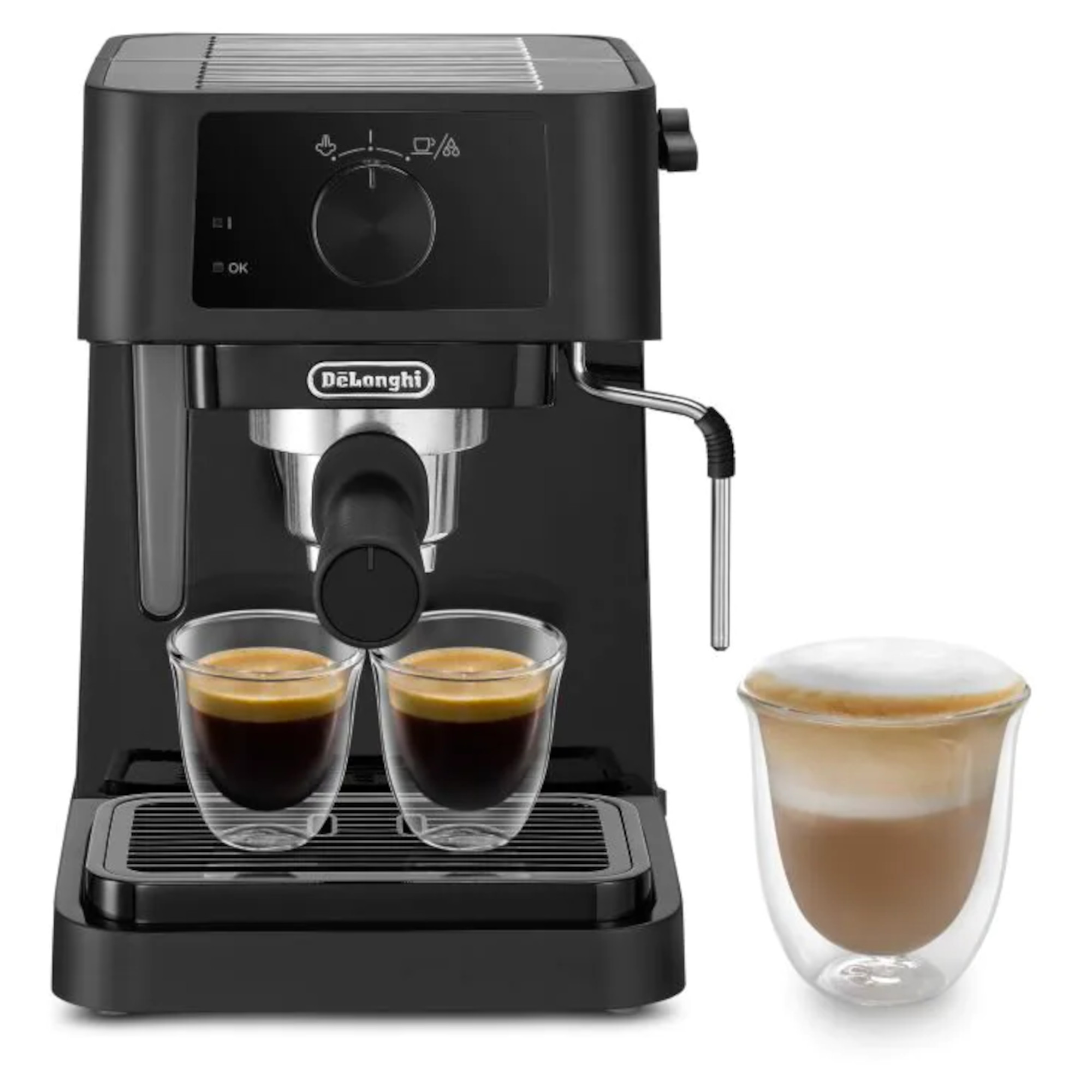
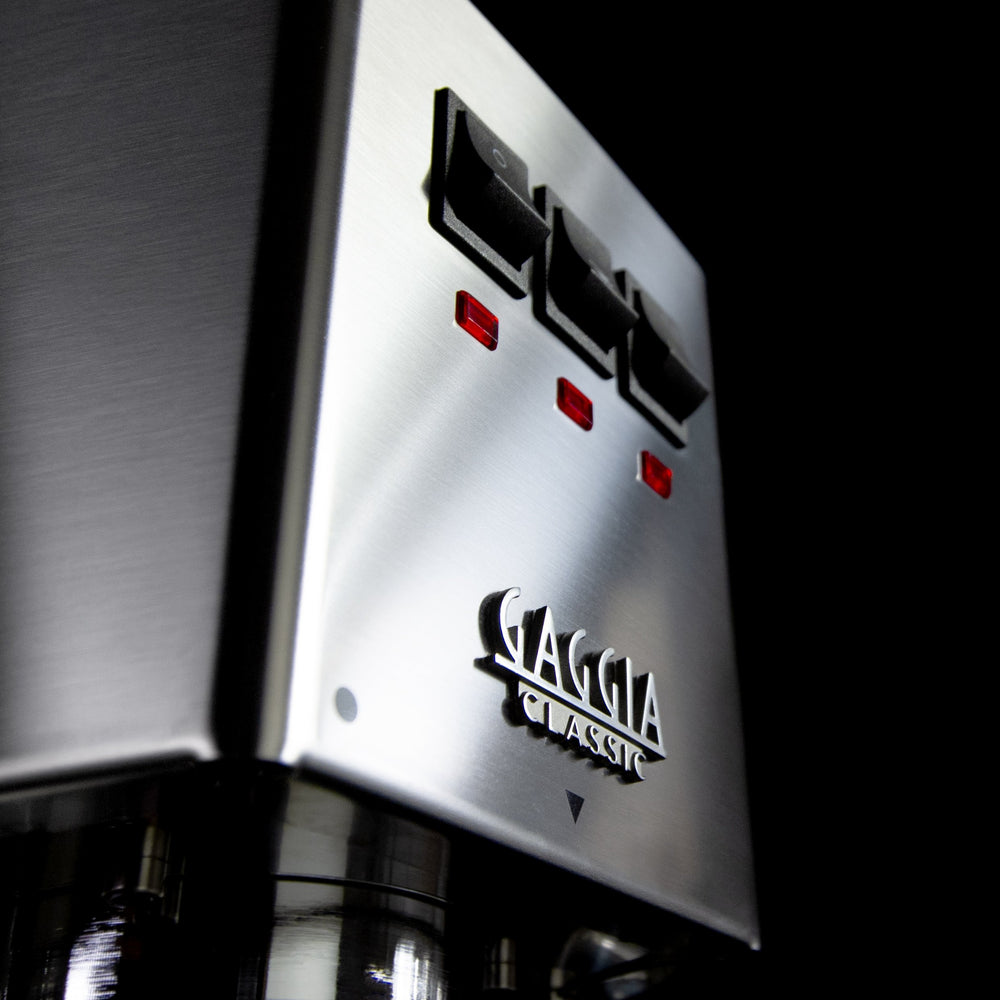
Full comparison
Both the Stilosa and Gaggia require a separate grinder and manual technique, which puts them in a similar buyer segment — but the hardware gap between them is substantial. The Stilosa uses a pressurized basket that hides grind quality and caps extraction ceiling. The Gaggia ships with a 58mm commercial-grade group head compatible with professional baskets and a full aftermarket ecosystem. Once you upgrade the Stilosa's basket, the portafilter remains 51mm with limited options; the Gaggia's 58mm standard opens up the widest range of aftermarket tools in home espresso.
The Gaggia's steam wand is a professional-style manual wand capable of real microfoam and latte art when used correctly. The Stilosa's pannarello frother produces acceptable foam but can't match the texture quality needed for proper latte art. Both are single-boiler machines that require a wait between brewing and steaming, but the Gaggia's larger 100mL boiler handles back-to-back drinks better than the Stilosa's smaller system.
The Stilosa's $99 price is genuinely attractive for total beginners, and a simple OPV adjustment can bring the factory's 15-bar pump into the proper 6-9 bar extraction range. But it's a stepping stone, not a destination. Most users who get serious about espresso will outgrow it within a year and face a replacement purchase. The Gaggia, with basic maintenance, can run for 10-20 years and scale with the user's skills.
Buy the Stilosa if your budget is genuinely $99-150 and you want to experiment before committing more. Buy the Gaggia if you're serious about learning espresso craft and want a commercial-grade machine you can keep, maintain, and mod for years. The $350 difference between them is one of the best value gaps in home espresso.