De'Longhi La Specialista Arte EC9155 vs Gaggia Classic Pro
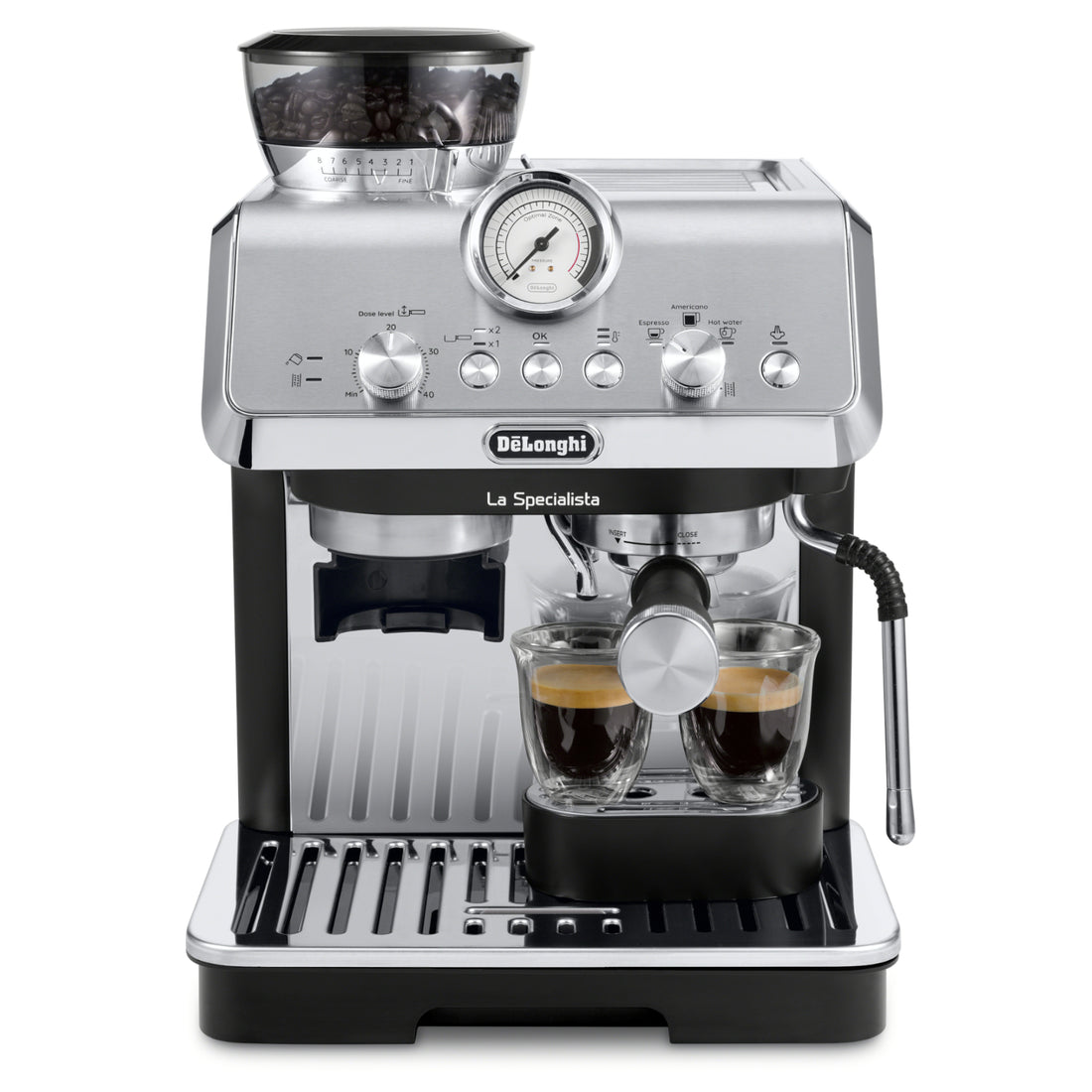
The Arte at $699 is an all-in-one system that includes a grinder and guided tools for beginners. The Gaggia Classic Pro at $449 is a barebones commercial-grade machine that requires a separate grinder and rewards experienced hands. Total cost of the Gaggia with a capable grinder reaches $700-800, erasing the price advantage — and you still get a machine with a steeper learning curve and no guided workflow aids.
Spec face-off
Bars scaled to the higher value. Coloured = wins that spec.
Full specifications
Strengths & weaknesses
Full comparison
The Arte and Gaggia sit at similar price points only if you ignore what's missing from the Gaggia box. At $449, the Classic Pro ships with no grinder and no accessories beyond the machine itself. Pair it with even a budget-tier burr grinder at $150-200 and you've spent $600-650 for a setup that still demands more technical skill than the Arte's guided dosing and pressure gauge provide. The Arte at $699 is a complete system ready to pull shots from day one.
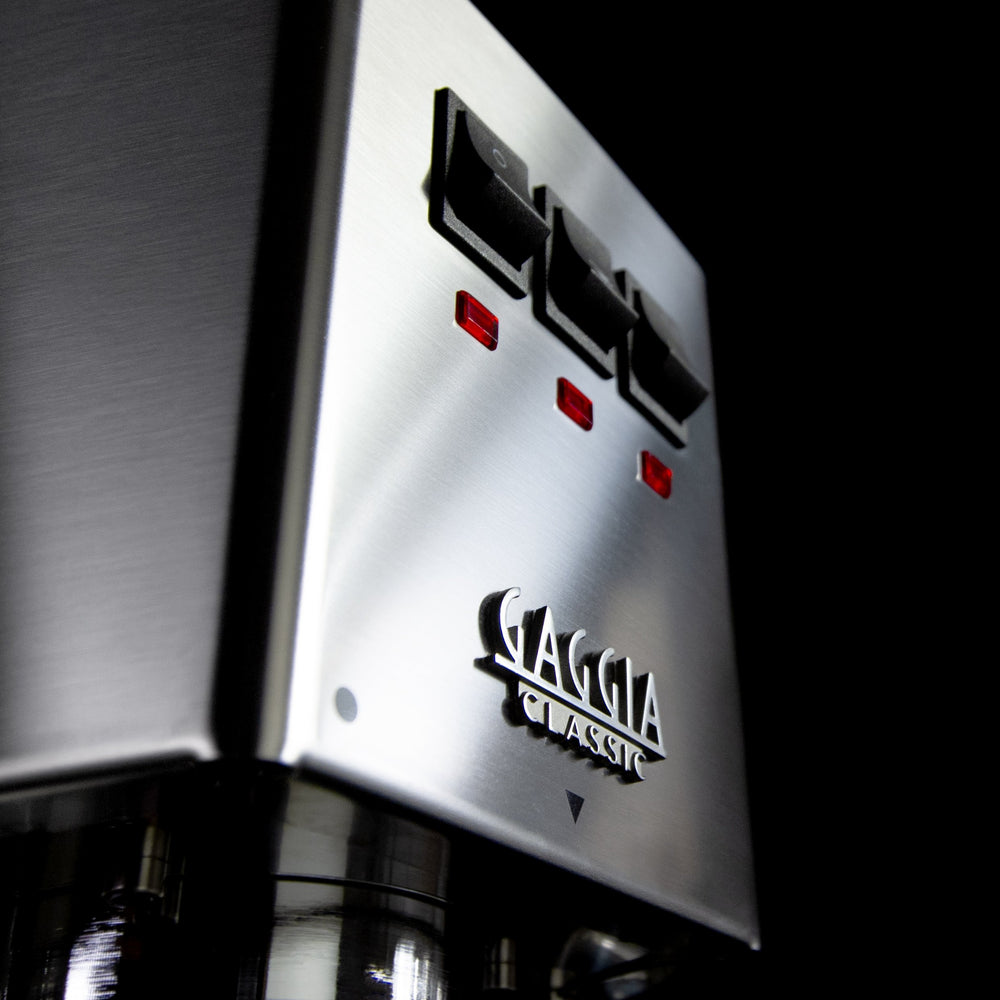
Where the Gaggia earns its reputation is build quality and hardware standard. Its 58mm commercial-grade group head is compatible with the widest range of professional baskets, tampers, and accessories. The steel body and serviceable components give it a realistic 10-20 year lifespan. The Arte uses a smaller, appliance-grade construction that won't match that longevity. The Gaggia is built the way commercial machines are built; the Arte is built the way kitchen appliances are built.
The Gaggia's weakness is temperature control. It ships without a PID, meaning brew temperature varies shot to shot until you either master temperature-surfing technique or install an aftermarket PID mod. The Arte's Active Temperature Control, while limited to 3 positions rather than degree-level precision, still provides more consistent thermal management out of the box. The Arte also includes pre-infusion; the Gaggia does not.
Choose the Arte if you're new to espresso and want a complete setup with room for skill development. Choose the Gaggia if you already own a quality grinder, are genuinely committed to learning manual technique, and want commercial-grade hardware that you can maintain for a decade. The Gaggia's ceiling is higher, but only for users willing to invest time, mods, and a good grinder to reach it.