De'Longhi Dedica Style EC685 vs Rancilio Silvia
The Dedica Style at $199 and the Rancilio Silvia at $749 are both semi-automatics without grinders, but they target completely different users. The Dedica is for beginners who want low-fuss espresso in a slim footprint. The Silvia is for dedicated enthusiasts who want commercial-grade hardware, a 15-20 year build life, and a machine worth modding with a PID retrofit. The $550 price gap is justified if you are serious about espresso craft.
Spec face-off
Bars scaled to the higher value. Coloured = wins that spec.
Full specifications
Strengths & weaknesses
Full comparison
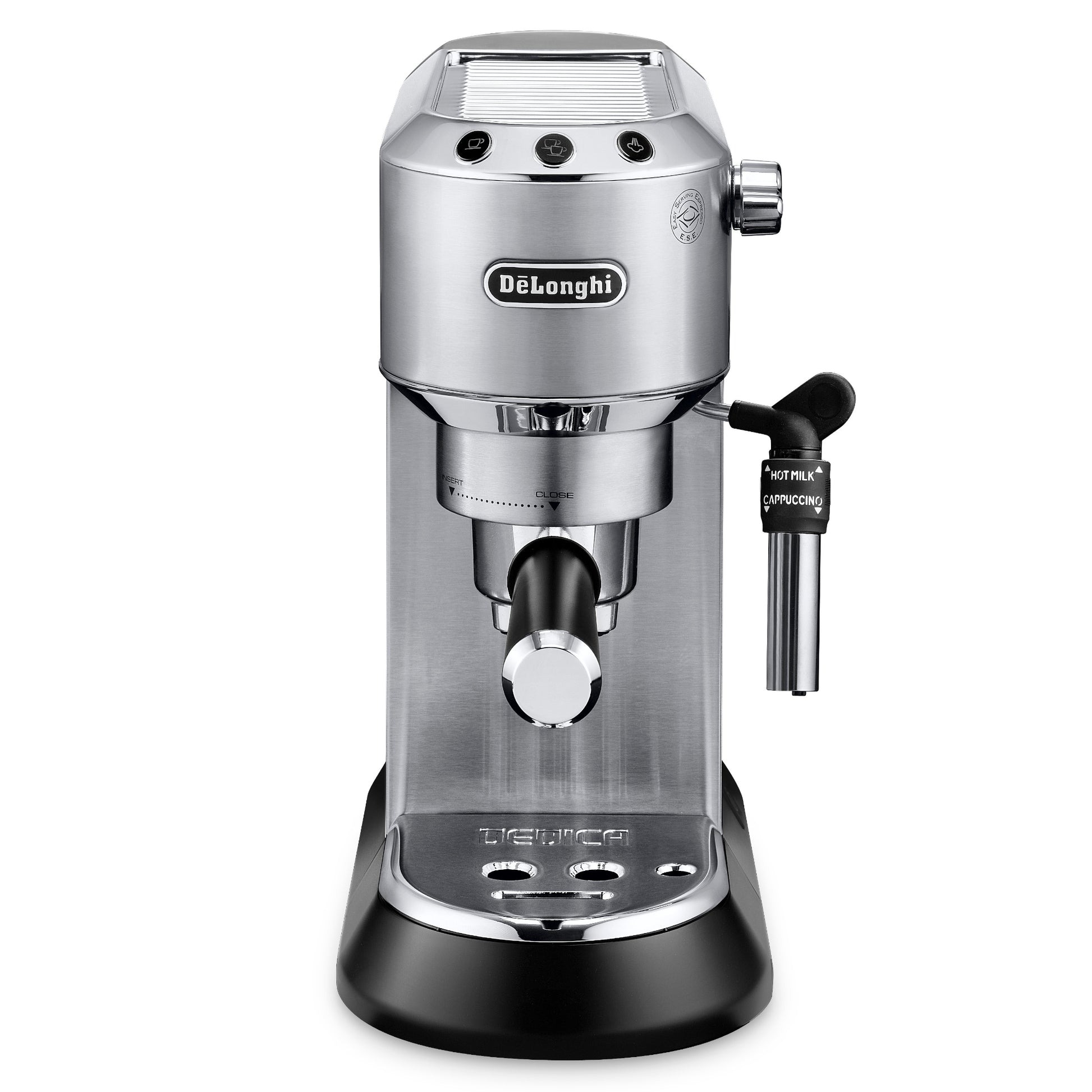
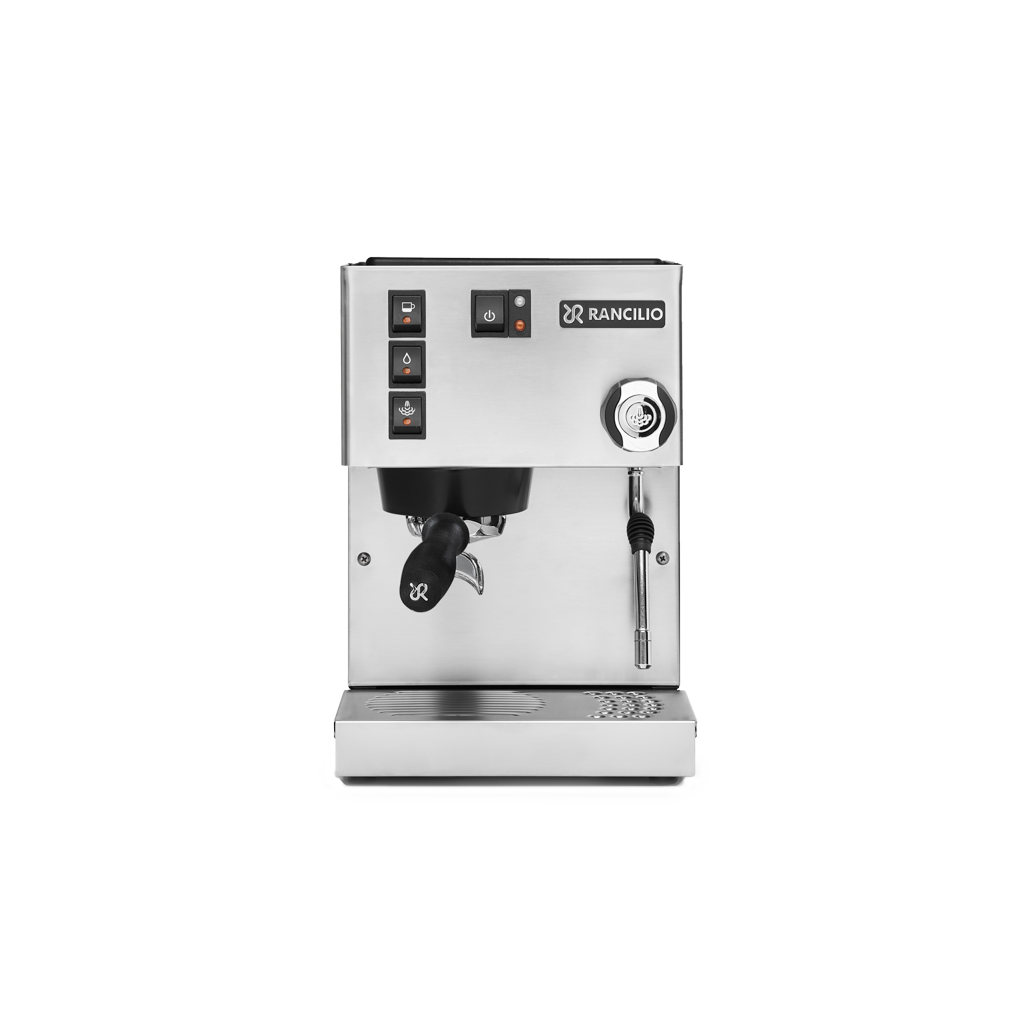
The Rancilio Silvia costs $749 and the Dedica Style costs $199 — a $550 difference with no grinder included in either machine. The Silvia's price reflects genuine commercial-grade hardware: a 58mm group head and portafilter derived directly from Rancilio's commercial line, a brass boiler, and an all-metal chassis built to last 15-20 years or more. The Dedica uses consumer-grade thermoblock technology and a non-standard 51mm portafilter with a limited accessory ecosystem.
The Silvia's steam wand is one of its defining strengths — its output rivals commercial machines and produces true microfoam suitable for latte art with practice. The Dedica's thermoblock steam is functional for basic cappuccinos but modest in power and prone to taxing under back-to-back milk drinks. On steam capability alone, the Silvia is a different machine entirely.
The Silvia does have real drawbacks at this price. It has no PID temperature control out of the box, requiring temperature-surfing technique for consistent brew temperature — a 15-minute warm-up before the first reliable shot is standard practice. A retrofit PID (widely available for around $100-150) transforms its temperature consistency without replacing the machine. The Dedica, while thermally simpler, at least heats up in 40 seconds. The Silvia also has no pressure gauge or pre-infusion, features that comparably priced competitors now include.
The deciding factor is time horizon. The Dedica is a starter machine most owners outgrow within one to two years. The Silvia, properly maintained and modded, is a machine people use for decades — original units from the late 1990s are still in daily service. If espresso is a genuine long-term interest, the Silvia is the better investment despite its higher upfront cost and steeper learning curve.