De'Longhi Dedica Style EC685 vs Gaggia Classic Pro
The Dedica Style at $199 and the Gaggia Classic Pro at $449 are both entry-level semi-automatics without grinders, but they are built for different users. The Dedica is the right call for space-constrained beginners who want a forgiving, low-fuss machine. The Gaggia is the right call for anyone willing to learn real espresso technique — its commercial 58mm group head, all-metal build, and 10-20 year service life make it a far better long-term investment at $250 more.
Spec face-off
Bars scaled to the higher value. Coloured = wins that spec.
Full specifications
Strengths & weaknesses
Full comparison
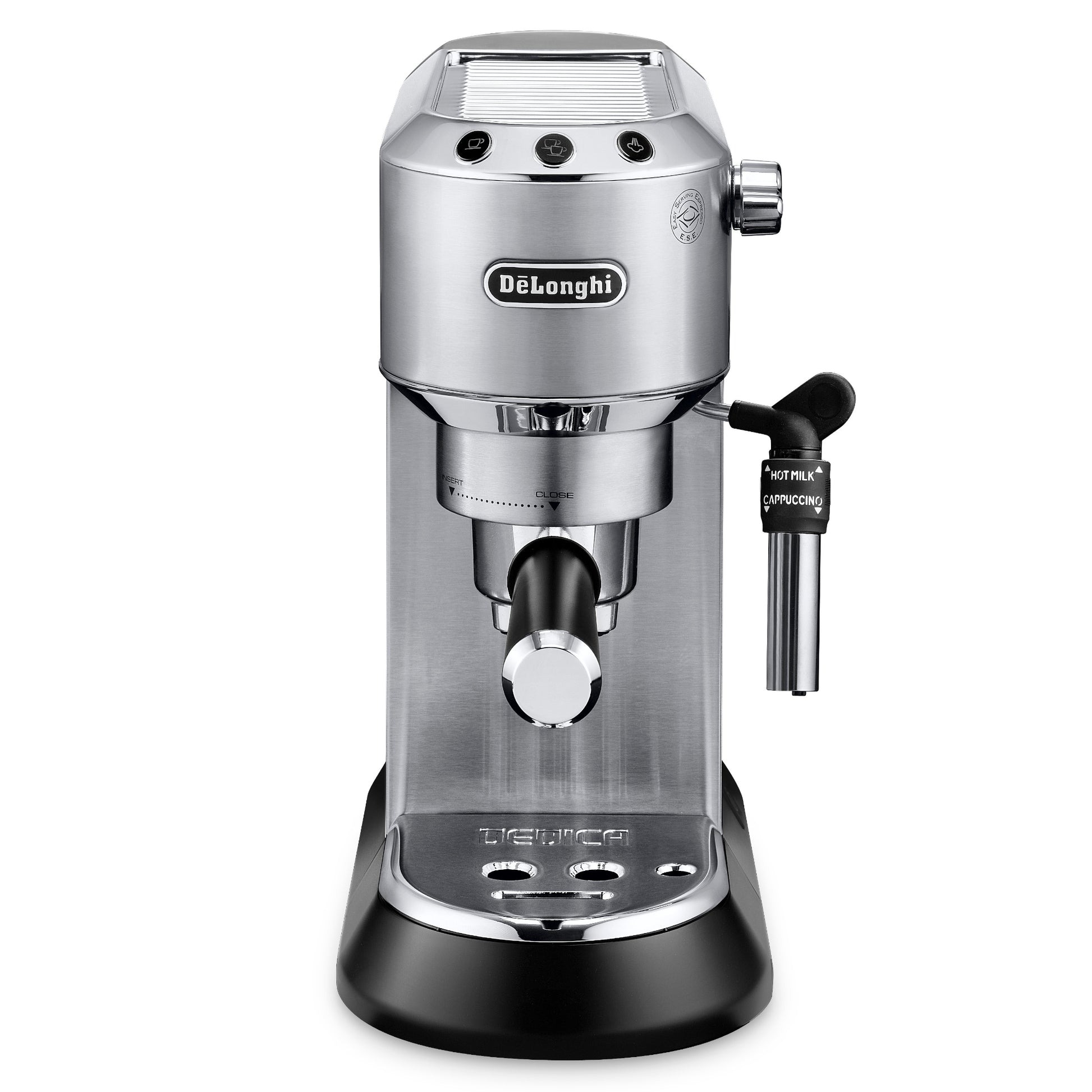
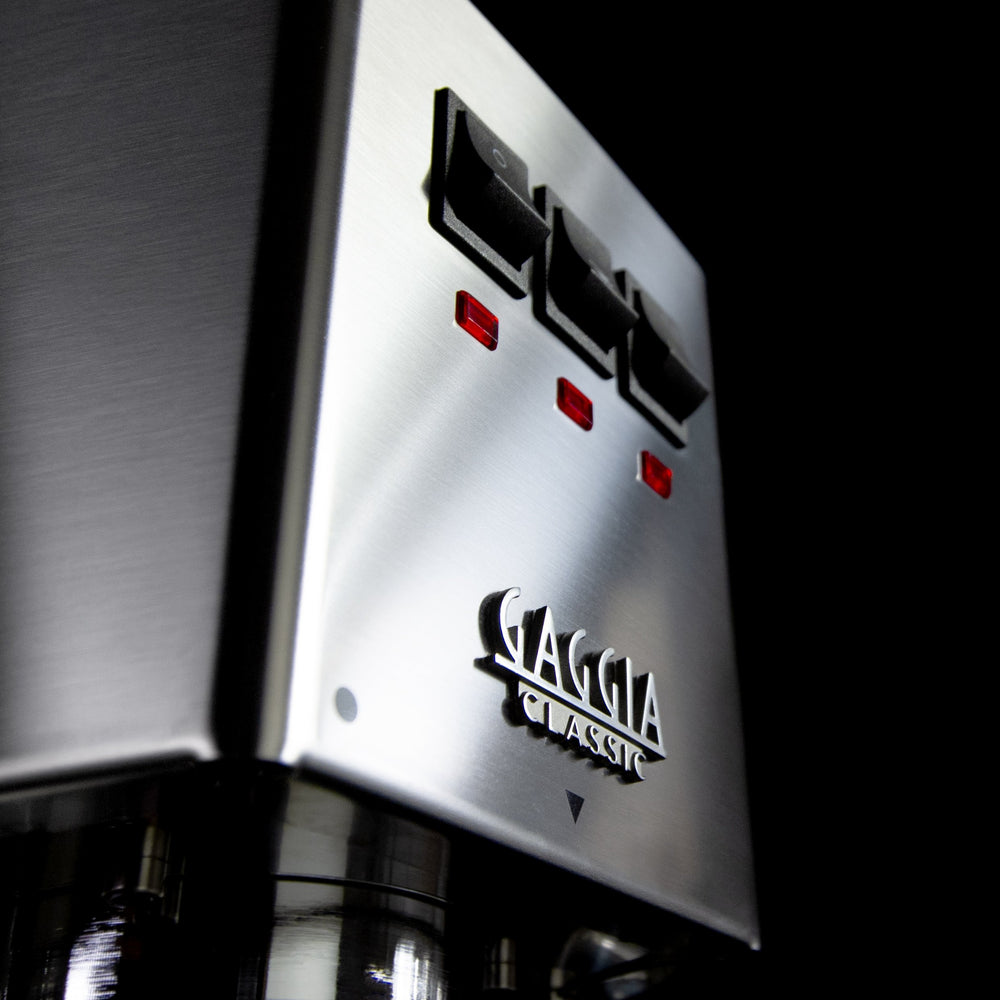
The Dedica Style costs $199 and the Gaggia Classic Pro costs $449 — a $250 difference with no grinder included in either machine. Both are semi-automatics that require a separate burr grinder to produce quality espresso. The critical divergence is in build philosophy and ceiling. The Dedica uses pressurized baskets and a 51mm non-standard portafilter that limits the accessory ecosystem. The Gaggia uses a commercial-standard 58mm group head with non-pressurized baskets, giving it access to the widest range of professional accessories, tampers, and upgrade baskets available.
The Gaggia's build quality is categorically different. Its stainless steel chassis, commercial-grade internals, and widely available replacement parts give it a realistic 10-20 year lifespan. The Dedica, built around a thermoblock and consumer-grade components, is realistically a 3-5 year machine. The Gaggia Evo Pro also ships with its OPV correctly set to 9 bars out of the box — older Classic Pro units often required manual adjustment, but that has been addressed in current production.
For milk drinks, both machines have manual steam wands, but the Gaggia's steam power is meaningfully stronger, enabling real microfoam technique for latte art with practice. The Dedica's thermoblock steam is functional but modest and taxes easily under back-to-back milk drinks. The Gaggia does require waiting between brewing and steaming due to its single 100mL boiler, which slows workflow for multiple drinks in a row.
The Dedica wins on physical size — under 6 inches wide versus the Gaggia's larger footprint — and on beginner forgiveness. Its pressurized baskets produce decent-looking espresso regardless of grind technique, which is reassuring early on. But anyone serious about espresso who has room for the Gaggia should spend the extra $250. The Gaggia will still be producing excellent espresso a decade from now; the Dedica will likely be replaced long before that.