Comandante C40 MK4 Red Clix vs Timemore Chestnut C3 ESP
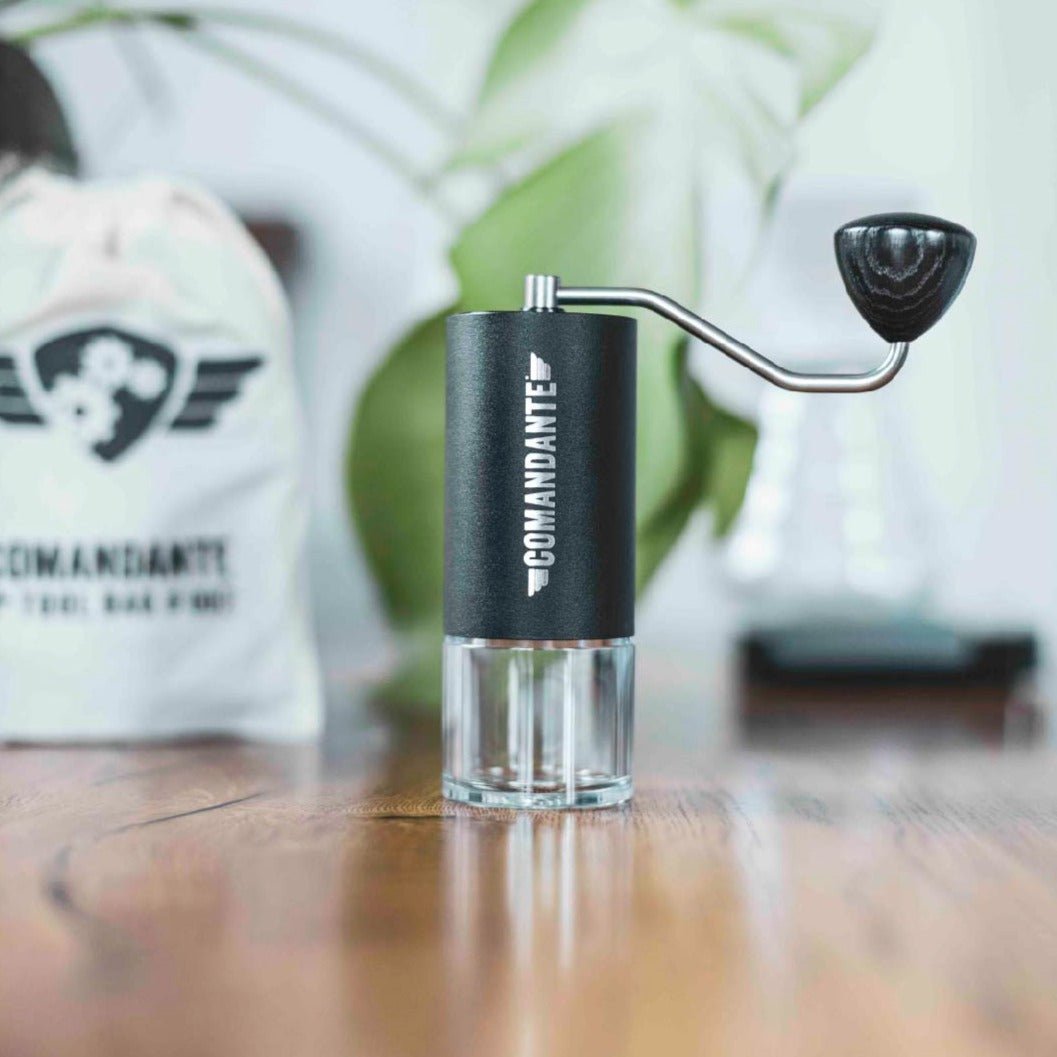
Comandante C40 MK4 Red Clix
Comandante
C40 MK4 Red Clix
$475 Upper-Mid
vs
Winner
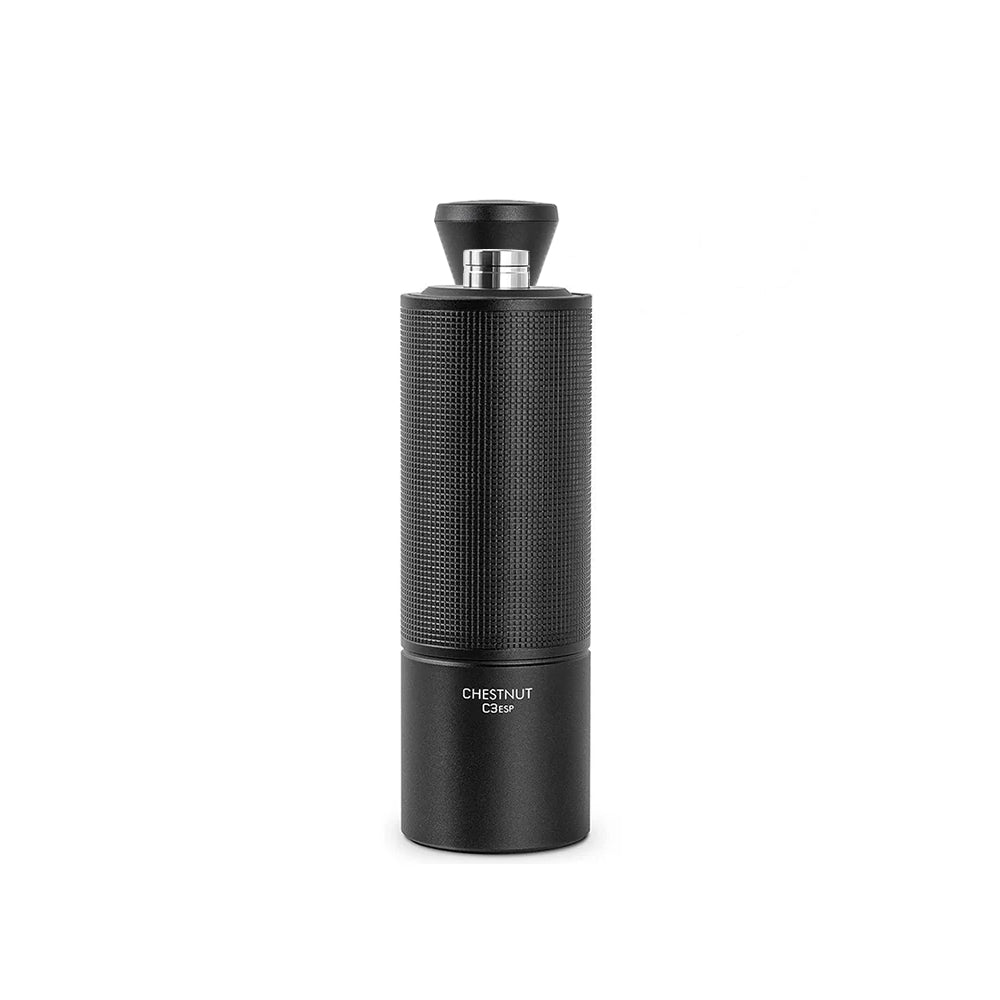
Timemore Chestnut C3 ESP
Timemore
Chestnut C3 ESP
$72 Entry
Head-to-head scoreboard
C40 MK4 Red Clix · 1 1 TIES 2 · Chestnut C3 ESP
The verdict

Both are manual espresso-capable grinders at opposite tiers. The Comandante C40 MK4 Red Clix at $475 offers premium nitrobladed burrs and the finest manual espresso dialing. The Timemore C3 ESP at $72 reaches espresso for a fraction of the price. Choose the Red Clix for top-tier quality and precision; choose the C3 ESP for value and portability.

Spec face-off

Bars scaled to the higher value. Coloured = wins that spec.

C40 MK4 Red Clix
Chestnut C3 ESP
38 mm
Burr
38 mm
30 g
Hopper
25 g
0.55 kg
Weight
0.45 kg

Full specifications

Spec
C40 MK4 Red Clix
Chestnut C3 ESP
Price
$475
$72
Burr
38 mm
38 mm
Hopper
30 g
25 g
Weight
0.55 kg
0.45 kg
Burr Type
conical
conical
Grind Settings
stepless
stepless
Rpm
Grind Range
espresso to french press
espresso to filter
Type
manual
manual

Strengths & weaknesses

Comandante C40 MK4 Red Clix
Strengths
Red Clix collar provides approximately 30% more clicks per revolution than the standard C40, enabling grind adjustments finer than any electric grinder under $800 and most professional stepless grinders
Same nitrobladed high-nitrogen burrs as the standard C40 MK4
Red Clix sold separately as an upgrade for existing C40 owners
Trade-offs
$475 for a manual grinder that grinds 18g in 60-90 seconds
Finer click increment makes adjustment feel less positive than the standard C40
Red Clix advantage is primarily relevant at espresso grind settings; pour-over users gain little practical benefit and pay a $150 premium over the standard C40
Timemore Chestnut C3 ESP
Strengths
The S2C 'spike-to-cut' burr is praised for uniformity and faster, lower-effort grinding than prior C-series burrs
All-metal aluminum body with a dual-bearing axle that punches above its price
Roughly 23 microns per click is fine enough to reach genuine espresso territory
Trade-offs
The 38mm burr makes espresso grinding slow
Internal adjustment requires unscrewing the catch cup; there is no see-the-number dialing
At ~23 microns per click the espresso dial-in is coarse versus dedicated espresso hand grinders, limiting fine shot control

Full comparison

These bracket the manual-grinder espresso market. The Red Clix pairs the C40's nitrobladed high-nitrogen burrs with a finer-resolution collar, enabling espresso dialing finer than most electrics under $800, with class-leading cup clarity and longevity. The C3 ESP uses a 38mm S2C burr at ~23 microns per click to reach espresso for about $72, with surprisingly good uniformity and an all-metal travel-friendly body.

Grind quality and dialing precision overwhelmingly favor the Red Clix — sharper, more durable burrs and far finer espresso adjustment. The C3 ESP's espresso dialing is coarse (catch-cup, no numbered reference) and it grinds slowly (40-50 seconds per double).

The decision is budget and purpose. The C3 ESP is the on-ramp — cheap, portable, and a genuine espresso grinder for testing the waters or travel. The Red Clix is the no-compromise manual espresso grinder for an enthusiast who wants the finest dialing and best cup, at nearly 7x the price. Both crank by hand with small capacities.

Buy the C40 MK4 Red Clix ($475) for top-tier espresso grind quality and the finest manual dialing. Buy the Timemore C3 ESP ($72) for espresso on a budget or on the go.

More grinders matchups