Baratza Sette 270 vs Timemore Chestnut C3 ESP
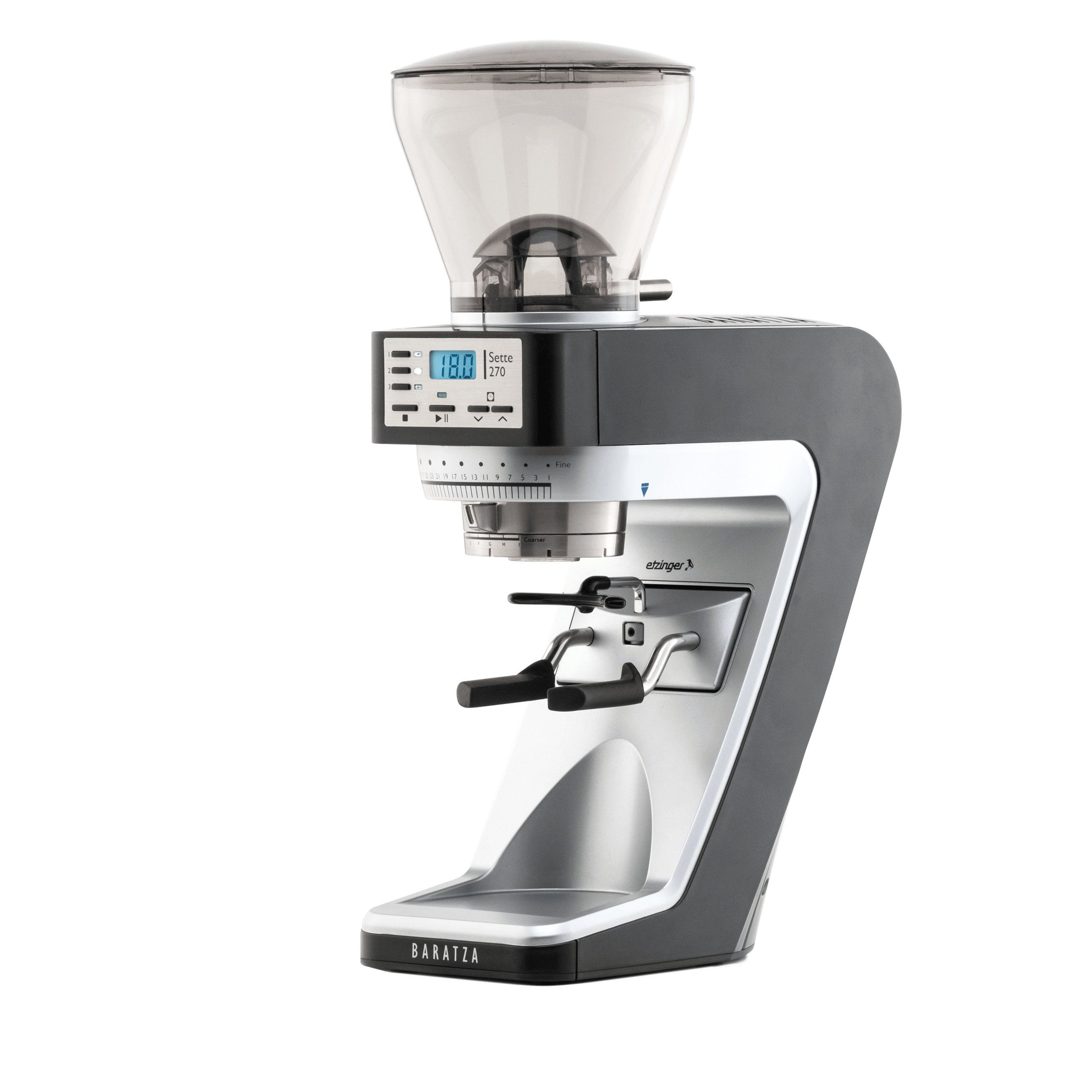
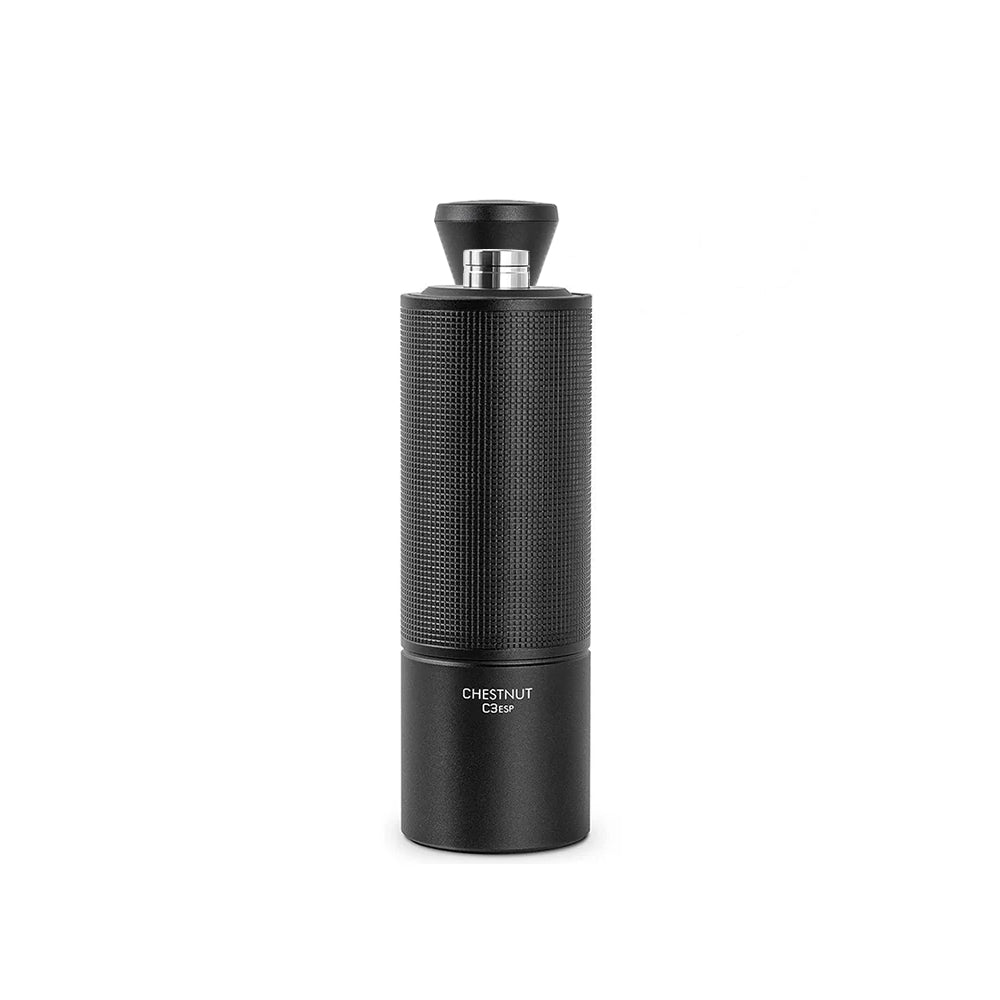
A $399 fast electric espresso grinder versus a $72 manual one. The Baratza Sette 270 grinds espresso into the portafilter in ~5 seconds with near-zero retention and 270 positions. The Timemore C3 ESP reaches espresso by hand for a fraction of the price. Choose the Sette for speed, precision, and zero waste; choose the C3 ESP for budget and portability.
Spec face-off
Bars scaled to the higher value. Coloured = wins that spec.
Full specifications
Strengths & weaknesses
Full comparison
The Sette 270 is built for high-throughput espresso: outside-in burrs grind directly into the portafilter with under 0.1g retention, 270 micro-adjustable positions, and a 720 RPM motor that doses 18g in about 5 seconds. The C3 ESP is a manual grinder with a 38mm S2C burr at ~23 microns per click that reaches espresso for about $72 — but a double takes 40-50 seconds of cranking and the 25g chamber limits batch size.
Speed and precision overwhelmingly favor the Sette. It's roughly ten times faster per dose, dials far more precisely with numbered positions, and wastes almost nothing. The C3 ESP's espresso dialing is coarse (catch-cup adjustment, no numbered reference) and slow.
The C3 ESP's case is price and portability. At under $90 it's the cheapest credible espresso grinder and it travels anywhere; the Sette is a $399 countertop fixture that vibrates enough to need a mat and is espresso-focused (weak at coarse filter). If you pull multiple shots daily at home, the Sette's workflow is transformative; if budget rules or you grind one or two cups (or travel), the C3 ESP delivers espresso for far less.
Buy the Sette 270 ($399) for fast, precise, zero-retention daily espresso. Buy the Timemore C3 ESP ($72) for espresso on a budget or on the go, accepting slow manual grinding.