Baratza Encore ESP vs Timemore Chestnut C3 ESP
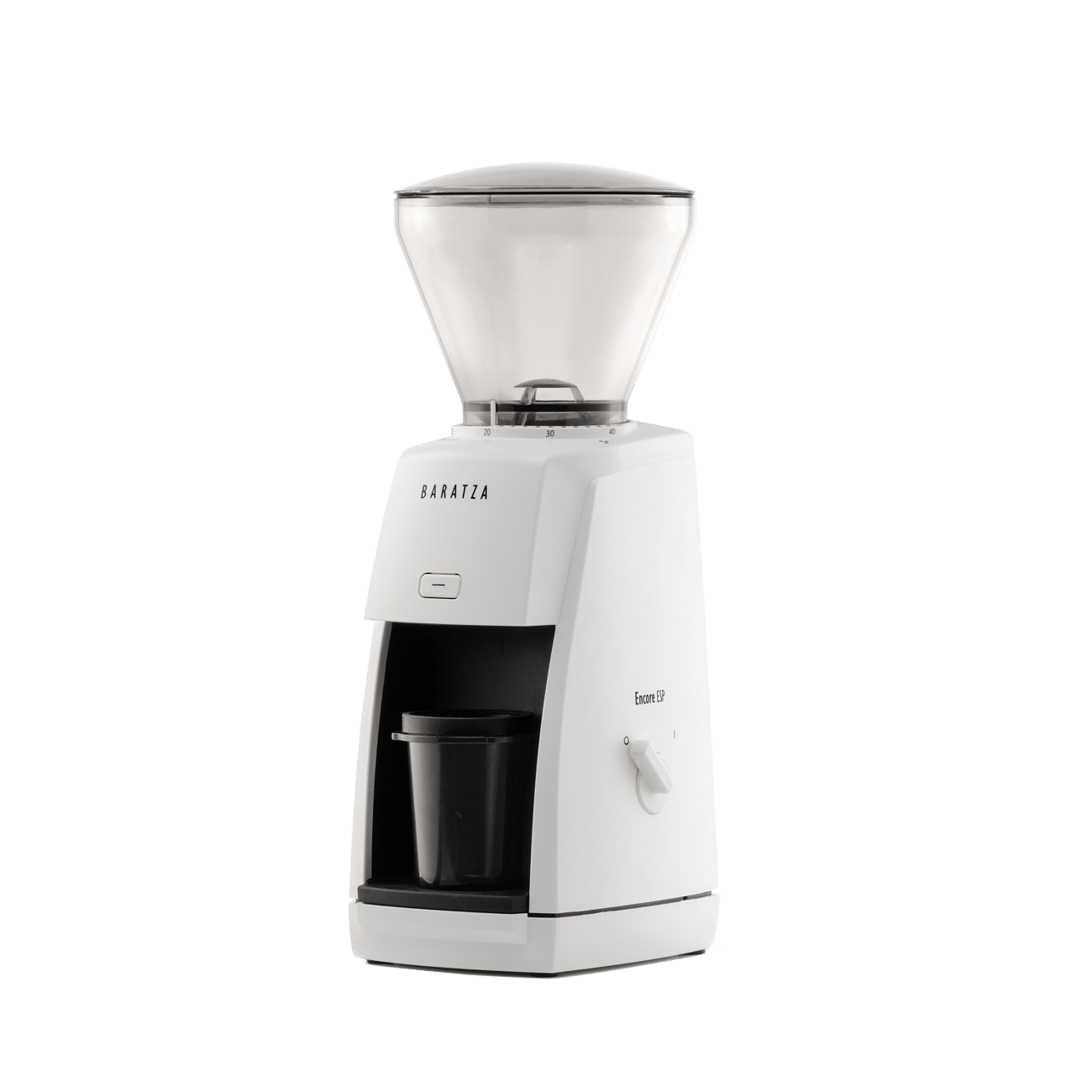
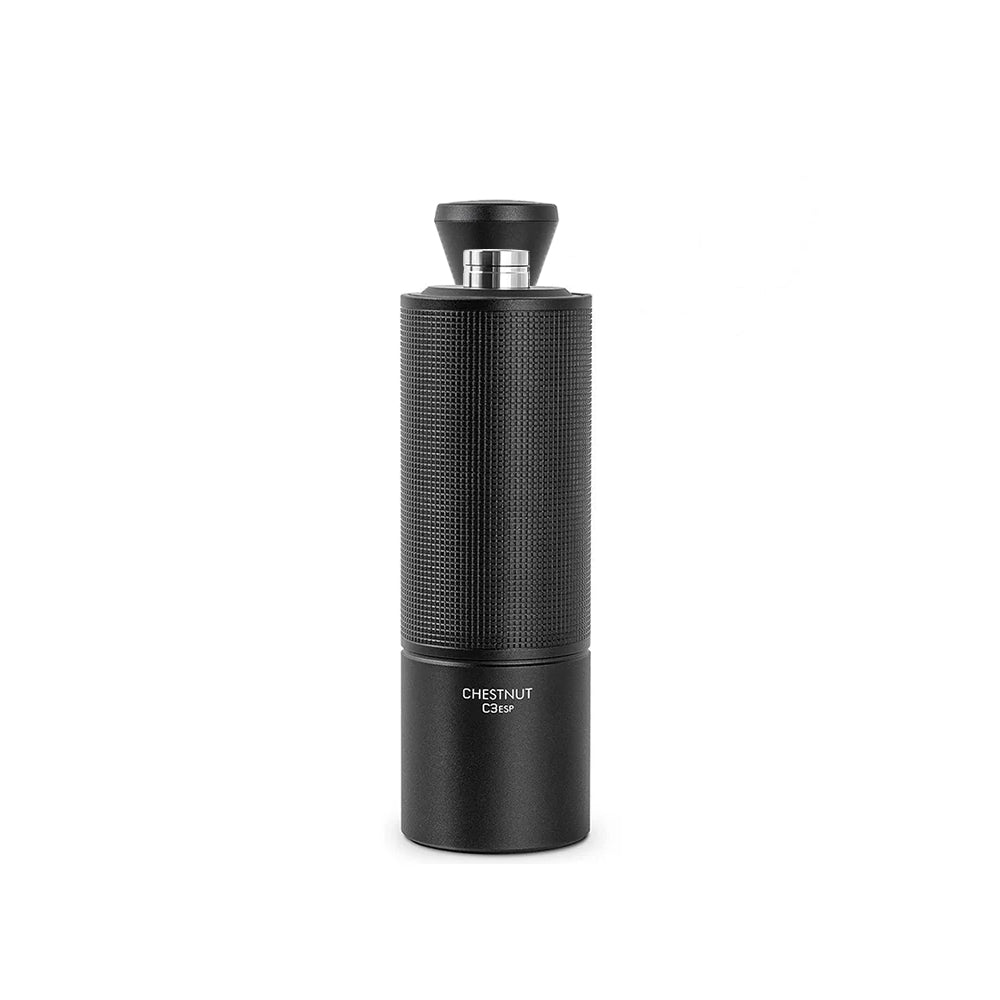
Both target the espresso-curious beginner, but one's electric and one's manual. The Baratza Encore ESP at $199 adds a macro+micro dual-adjustment system to the Encore chassis for genuine espresso-to-filter range, push-button, with Baratza's parts support. The Timemore C3 ESP at $72 reaches espresso too, by hand, for a third of the price. Choose the Encore ESP for electric convenience and easier espresso dialing; choose the C3 ESP to save money or to grind on the go.
Spec face-off
Bars scaled to the higher value. Coloured = wins that spec.
Full specifications
Strengths & weaknesses
Full comparison
The Encore ESP is the all-rounder electric: a dual-adjustment system (macro dial plus micro ring) yields about 80 effective positions and real espresso dialing the base Encore can't manage, while keeping full filter range. It's hopper-fed and push-button, and it inherits Baratza's ecosystem — every burr, carrier, and motor is user-replaceable in minutes. Its weaknesses are espresso-specific: 40mm burrs at 450 RPM make more fines than a dedicated espresso grinder, so channeling is more frequent, and the micro ring is a bit fiddly.
The C3 ESP is the manual budget pick: a 38mm S2C burr at ~23 microns per click reaches espresso, in an all-metal body, for about $72. It's portable and punches above its price on cup quality, but a double dose is 40-50 seconds of cranking, the 25g chamber limits batch size, and you adjust by unscrewing the catch cup with no numbered reference — so the espresso dial-in is coarse and slow versus the Encore's electric ring.
The real axis is convenience versus price. The Encore ESP costs nearly three times as much but grinds at a button press, dials espresso more precisely, handles larger doses from its hopper, and is endlessly serviceable. The C3 ESP gets you to espresso for the least money and travels in a bag, if you accept the hand effort.
Buy the Encore ESP ($199) if you want electric espresso-and-filter versatility with easy dialing and long-term parts support. Buy the Timemore C3 ESP ($72) if budget or portability rules, you grind one or two cups at a time, and manual effort is acceptable.