1Zpresso JX Pro S vs Timemore Chestnut C3 ESP
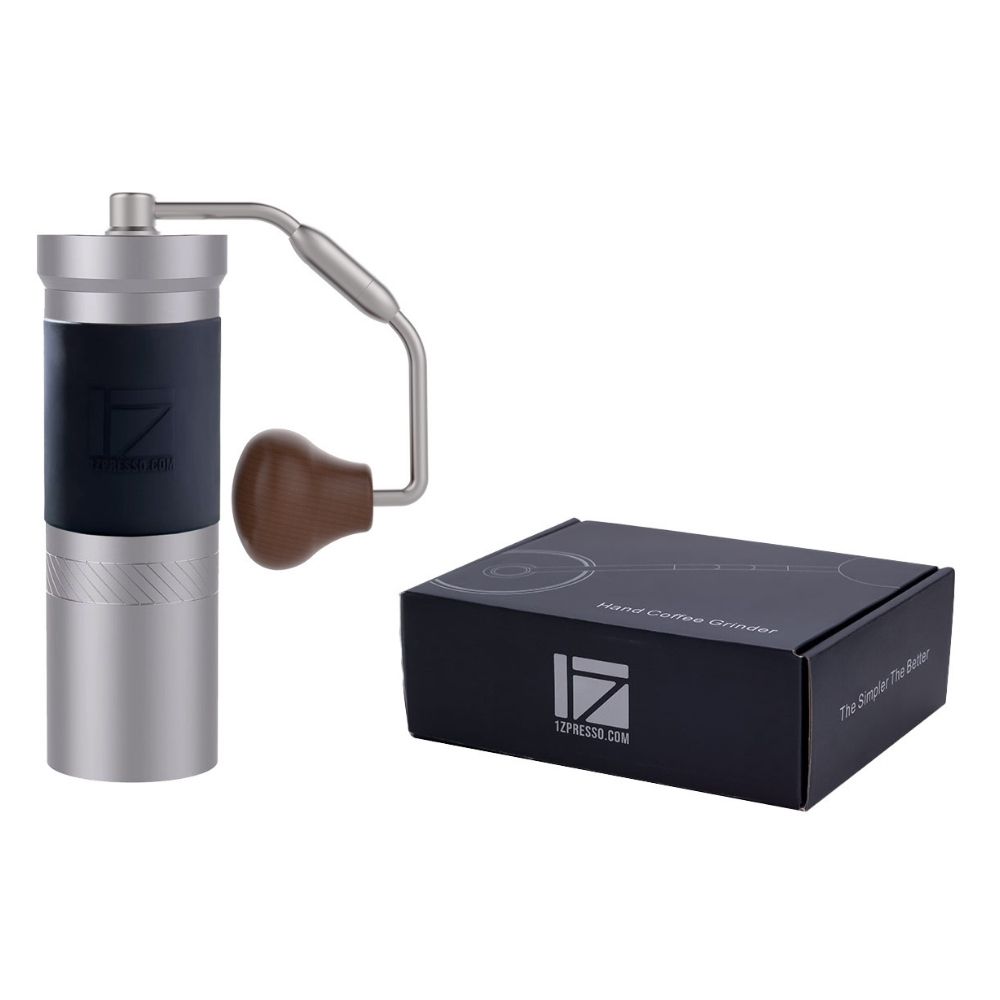
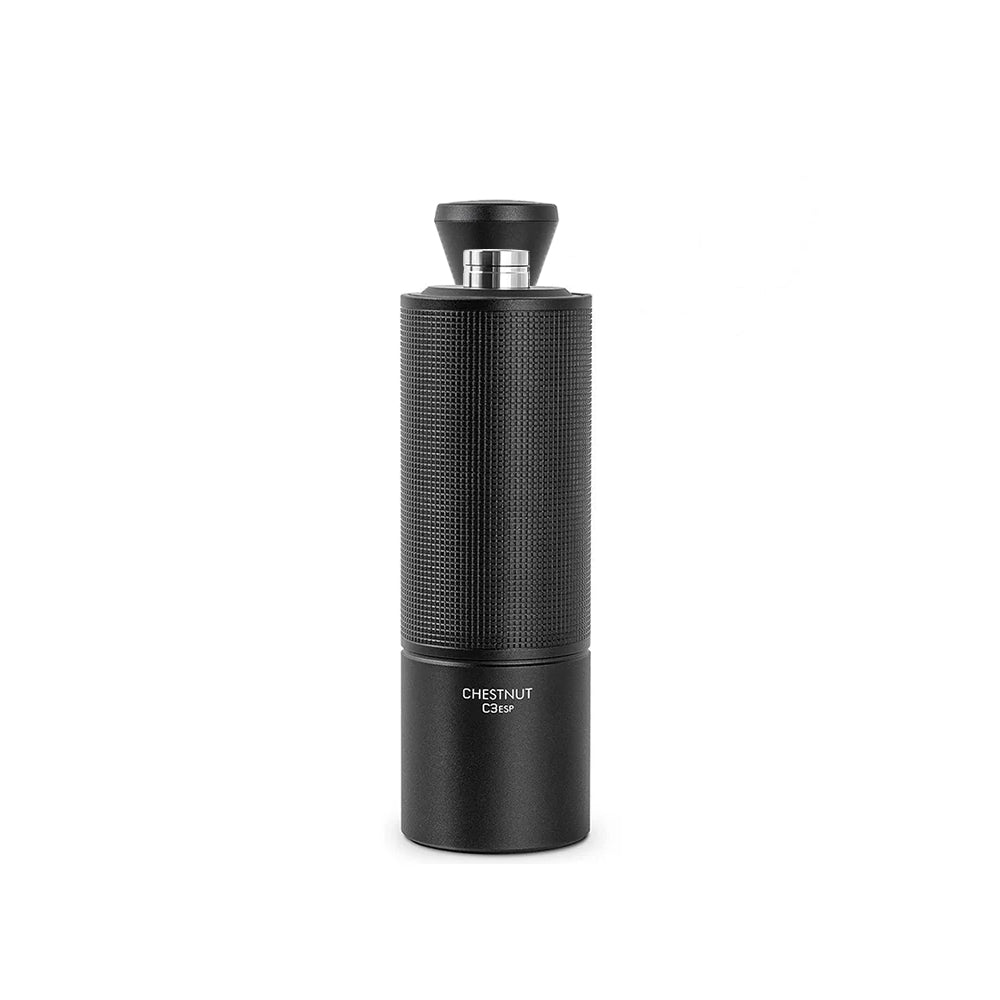
The Timemore C3 ESP at $72 is the cheapest credible way to grind espresso by hand and a great first manual grinder. The 1Zpresso JX Pro S at $139 nearly doubles the price but delivers larger burrs, faster grinding, an external numbered dial, and clearly better espresso precision. Start with the C3 ESP if budget rules; step up to the JX Pro S if espresso is your main use.
Spec face-off
Bars scaled to the higher value. Coloured = wins that spec.
Full specifications
Strengths & weaknesses
Full comparison
The Timemore Chestnut C3 ESP ($72) and 1Zpresso JX Pro S ($139) are both manual espresso-capable hand grinders, and the ~$67 gap buys meaningfully more grinding performance. The question is whether you need it.
The C3 ESP is the value champion. Its 38mm S2C 'spike-to-cut' burr is praised for uniformity and lower-effort grinding, its all-metal body punches above the price, and at roughly 23 microns per click it's fine enough to reach genuine espresso. The compromises are speed and precision: a double shot takes 40-50 seconds of cranking, adjustment requires unscrewing the catch cup, and 23 microns per click is coarse enough that perfecting a shot is harder than it should be.
The JX Pro S addresses exactly those weaknesses. Its larger ~48mm burrs grind a double faster (25-35 seconds) and with better consistency, and its external numbered dial offers 200+ clicks per rotation for far finer espresso control without disassembly. For someone dialing in single-origin espresso regularly, that precision and speed are worth the premium.
Buy the C3 ESP if you're espresso-curious on a tight budget, want a travel grinder, or are testing whether manual grinding suits you before committing more money. Buy the JX Pro S if espresso is your primary use and you want a grinder you won't outgrow in a year. The C3 ESP is the on-ramp; the JX Pro S is the sweet spot for serious home manual espresso.