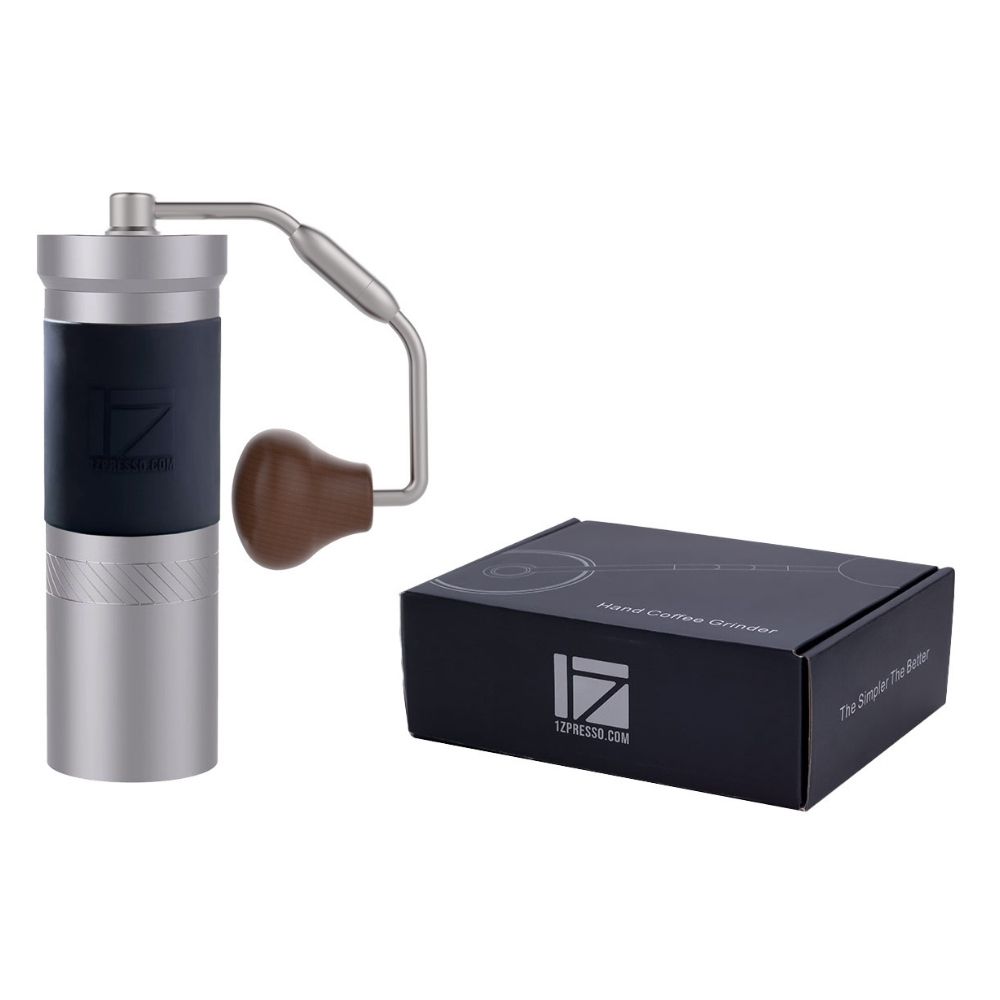
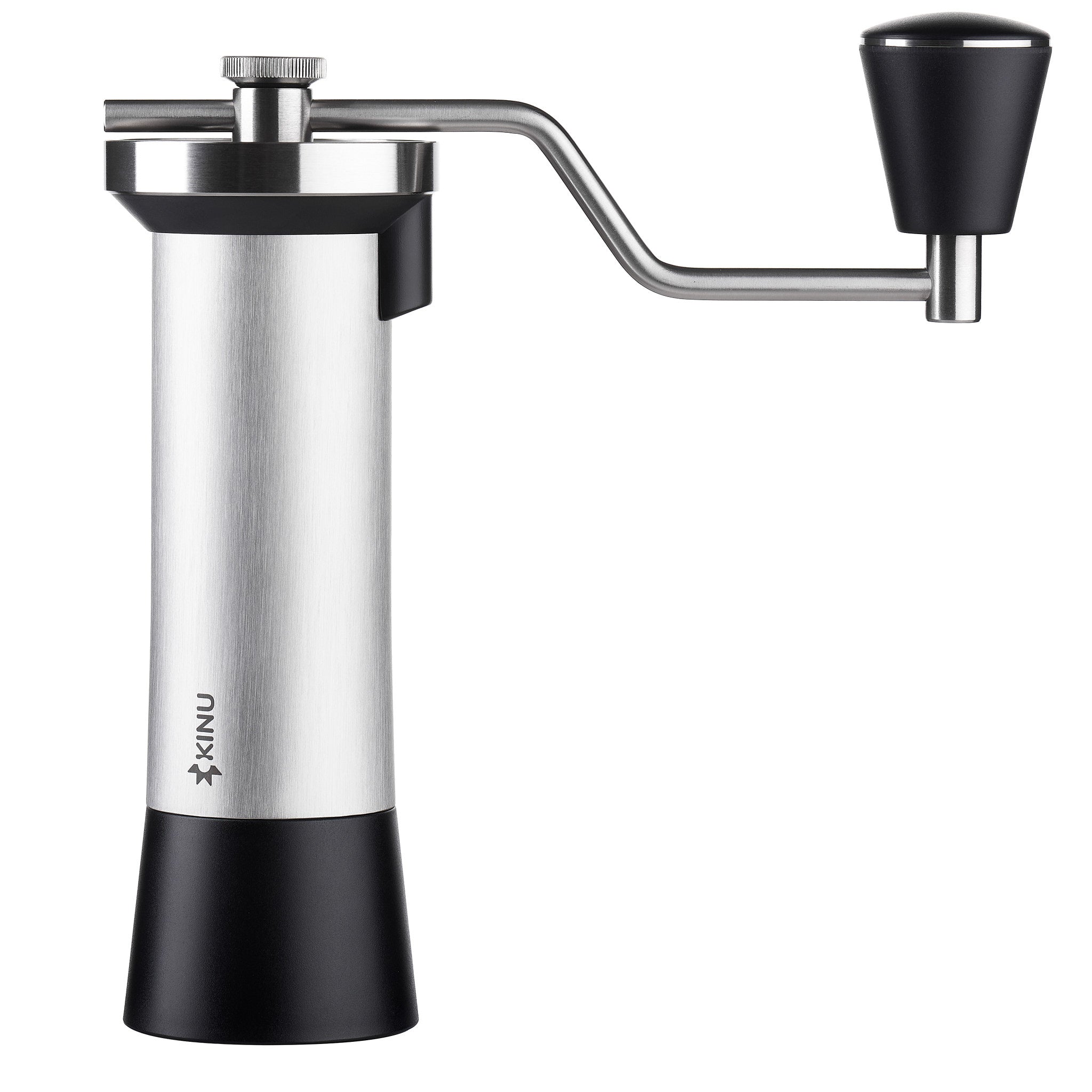
The JX Pro S is the better value at $139; the Kinu M47 at $349 justifies its premium with larger burrs, German precision build, and a more refined espresso grinding experience.
Which should you buy?
Match the row to your routine — the winning side is who we'd pick.
First serious hand grinder, will brew at home and travel
1Zpresso JX Pro S
$139 is the right entry price for manual grinding. JX Pro delivers ~85% of the M47's cup quality at 40% of the cost.
You've outgrown a $50 starter grinder and want a 'forever' manual
Kinu M47 Classic
German precision tolerances, machined stainless internals, decade-plus longevity. The M47 is the manual endpoint for most enthusiasts.
Daily espresso on a Bambino, Silvia, or comparable machine
Kinu M47 Classic
Tighter axle tolerances reduce wobble at espresso fineness — the kind of consistency you'll feel in shot times.
Travel-heavy lifestyle, grinder lives in a backpack
1Zpresso JX Pro S
0.49kg vs 0.7kg, and the JX Pro's compact form factor fits more bags. Both survive backpacking; the JX Pro packs lighter.
Filter brewing — V60, AeroPress, french press
1Zpresso JX Pro S
At medium-coarse grinds, the burr-size gap closes. Spending $210 more for filter alone doesn't pay back.
Long-term ownership economics, plan to keep for 15+ years
Kinu M47 Classic
Kinu's serviceability and burr longevity make the higher upfront cost cheaper per year past year 8.
Spec face-off
Bars scaled to the higher value. Coloured = wins that spec.
JX Pro S
M47 Classic
48 mm
Burr
47 mm
35 g
Hopper
35 g
0.49 kg
Weight
0.7 kg
Full specifications
Spec
JX Pro S
M47 Classic
Price
$139
$349
Burr
48 mm
47 mm
Hopper
35 g
35 g
Weight
0.49 kg
0.7 kg
Burr Type
conical
conical
Grind Settings
stepless
stepless
Rpm
—
—
Grind Range
espresso to french press
espresso to french press
Type
manual
manual
Strengths & weaknesses
1Zpresso JX Pro S
Strengths
48mm conical burrs are 10mm larger than the Comandante C40 MK4's 38mm
Full-rotation external adjustment ring with 90 clicks per revolution provides precise, repeatable grind settings more intuitive than the C40's relative-click collar
External bearing on the main shaft eliminates wobble found in cheaper manual grinders
Trade-offs
No numbered position reference on the adjustment ring
Grinding 18g for espresso takes approximately 90-120 seconds at fine settings
Stainless steel case shows fingerprints prominently; body finish feels less premium than the C40's anodized aluminum in direct comparison
Kinu M47 Classic
Strengths
47mm stainless steel burrs machined to tighter tolerances than any other manual grinder in this list
Solid stainless steel chassis with no plastic components
10-year manufacturer warranty with direct-from-Kinu service
Trade-offs
At $349 for a manual grinder, it occupies the same price territory as the Comandante C40 MK4 Red Clix ($475) and approaches electric performance grinders like the DF64 Gen 2 ($399)
47mm burrs, while precisely made, use standard stainless steel rather than the C40's nitrobladed alloy
0.7kg body is the heaviest manual grinder in this list
Full comparison
The 1Zpresso JX Pro S ($139) packs 48mm conical burrs, stepless adjustment, and a 35g hopper into a compact, affordable package. Its performance per dollar is remarkable — it consistently outperforms grinders at two to three times its price in blind comparisons. It covers the full range from espresso to french press.
The Kinu M47 Classic ($349) uses 47mm conical burrs, stepless adjustment, and a 35g hopper built to German precision tolerances. Its machined stainless internals and tight assembly produce very consistent grind output with minimal wobble or deviation across the burr set. It is widely regarded as one of the best manual grinders under $400.
Interestingly, the JX Pro S and Kinu M47 have nearly identical burr diameters — 48mm versus 47mm. The difference in performance comes from build precision and materials rather than burr size alone. The Kinu M47's tighter engineering tolerances result in more consistent particle distribution, particularly for espresso.
At $210 more, the Kinu M47 is the right investment for a serious home espresso setup where quality matters and budget is flexible. The JX Pro S is the smarter buy for anyone entering manual grinding, brewing primarily filter coffee, or wanting an excellent travel grinder without spending $349. Both are best-in-class at their respective price points.
What owners actually report
Paraphrased from long-running owner threads and review write-ups.
1Zpresso JX Pro S
What owners praise
Stepless adjustment with numbered reference marks — fast to dial in, easy to record your settings across brews.
Compact 0.49kg body fits in carry-on liquids bag size; popular with traveling baristas and digital nomads.
Common complaints
Crank handle is short — owners with larger doses (20g+) report wrist fatigue. The Q2 model addresses this with a longer crank.
Bean catch threads are nylon-on-nylon; over-tightening cross-threads them. Owners learn to seat by feel.
Kinu M47 Classic
What owners praise
Tighter machining tolerances translate to less burr wobble and more consistent particle distribution — measurable on a sieve test.
Serviceability is exceptional — Kinu sells every bearing and axle individually, and the M47 design hasn't changed in years.
Common complaints
Crank handle attachment can develop play after years of heavy use; Kinu sells a replacement collet for ~$15.
Heavier than the JX Pro (0.7kg) — fine for home, noticeable in a travel kit.
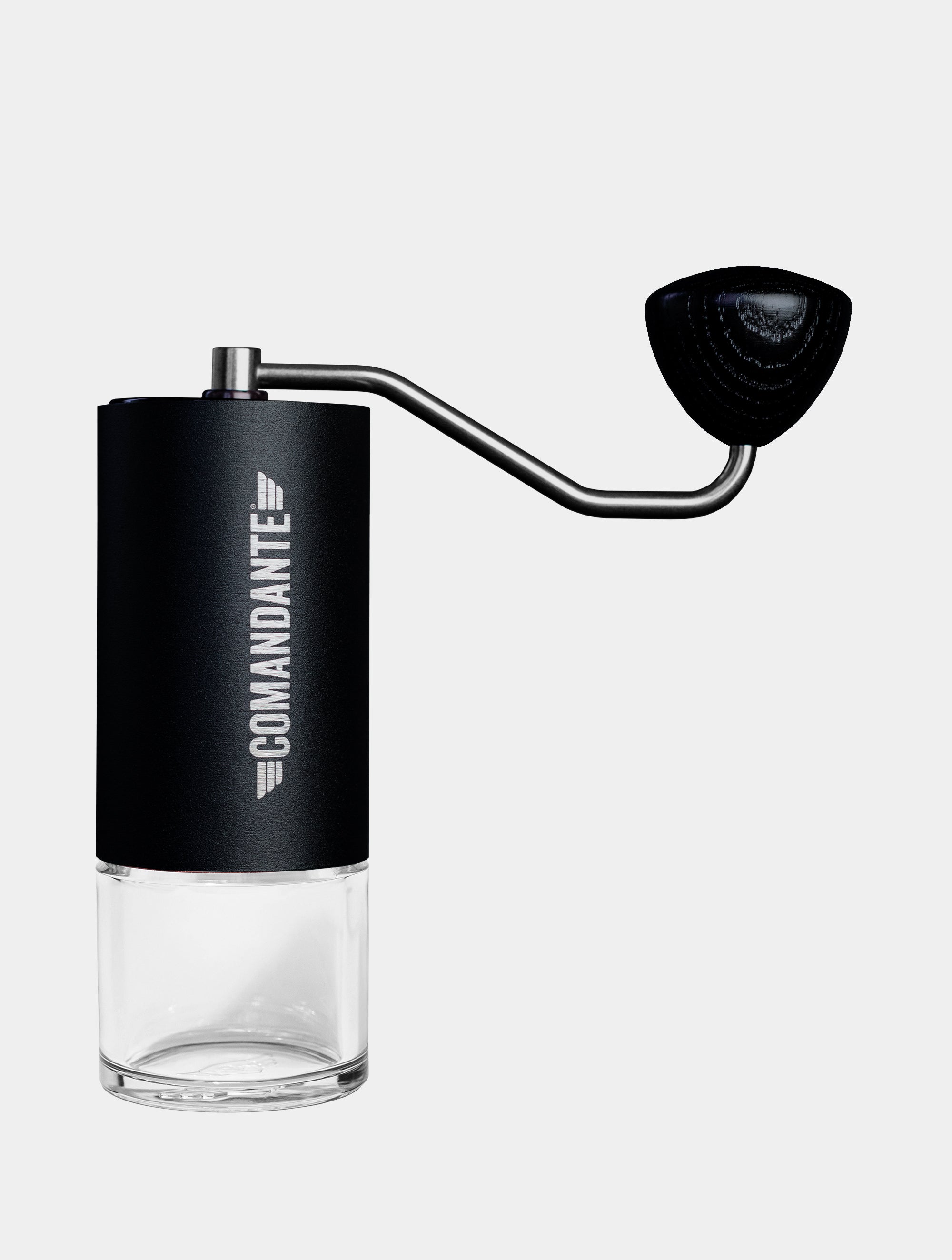
$475 — Comandante with the Red Clix fine-adjustment ring. Effectively the C40's answer to the M47's espresso precision.
Frequently asked questions
Is the Kinu M47 really worth 2.5× the JX Pro's price?
For daily espresso on a capable machine, yes — the tighter tolerances are audible in shot consistency. For filter-first brewers, the gap closes and the JX Pro is the smarter buy.
Can the 1Zpresso JX Pro handle espresso?
Yes — 48mm burrs and stepless adjustment cover espresso. Consistency at espresso fineness is good but not as tight as the M47.
How long does hand-grinding take on the M47?
About 60 seconds for an 18g espresso dose, 45 seconds for filter. Slightly slower than the JX Pro because the M47's burrs are tighter.
Which has better resale value?
The Kinu M47 holds value better — it depreciates ~10–15% per year in the secondary market. The JX Pro depreciates faster (newer models keep replacing prior versions).
Are aftermarket burr upgrades available?
JX Pro: 1Zpresso doesn't officially sell aftermarket burrs, but third-party titanium-coated sets exist. Kinu: stock burrs are class-leading and rarely upgraded.